Most homeowners glance under their deck and see a dark, muddy void where nothing grows and junk accumulates. But that shaded rectangle represents serious untapped potential, anywhere from 100 to 400 square feet of usable outdoor space that’s already sheltered and partially enclosed. With thoughtful landscaping, the area beneath a deck can become a shade garden, an outdoor lounge, extra storage, or even a play zone. The key is working with the space’s natural limitations, limited sunlight, restricted headroom, and potential drainage issues, rather than fighting them. This guide walks through practical under deck landscaping ideas that turn neglected ground into a functional extension of the yard.
Table of Contents
ToggleKey Takeaways
- Under deck landscaping transforms 100–400 square feet of neglected space into functional outdoor living by addressing sunlight, headroom, and drainage challenges.
- Shade-loving plants like hostas, ferns, and ground covers thrive under decks when soil is amended with compost and supplemented with a soaker hose irrigation system.
- Proper drainage with a minimum 2% grade slope is essential to prevent water pooling, wood rot, and mosquito breeding under the deck.
- Decks with 7+ feet of clearance can accommodate outdoor furniture and covered patios, enhanced with lattice panels, outdoor rugs, and GFCI-protected lighting.
- Under deck landscaping ideas include shade gardens, storage sheds for equipment, and organized bin enclosures that maximize space while maintaining property aesthetics.
- Installing an under-deck ceiling system with gutters keeps the area dry and usable year-round, preventing moisture damage to the deck structure itself.
Why Under Deck Spaces Are Worth Landscaping
Leaving the area under a deck as bare dirt or gravel creates multiple problems. Water pools after rain, mud gets tracked into the house, and the space becomes a collection point for leaves, weeds, and yard debris. Worse, untreated soil under decking can lead to moisture issues that affect deck longevity.
Landscaping this zone solves practical problems while adding usable square footage. A properly designed under-deck area improves drainage, reduces maintenance, and keeps the space cleaner year-round. For homes with limited yard space, it’s an opportunity to add function without expanding the property’s footprint.
The return on investment extends beyond aesthetics. A thoughtfully finished under-deck space increases perceived property value and improves the overall outdoor living experience. Most projects require minimal structural work since the “roof” already exists, the deck itself provides shelter and defines the boundaries. The real work involves addressing ground conditions, selecting appropriate plants or materials, and planning how the space will actually be used.
Creating a Shade Garden Paradise Beneath Your Deck
The deep shade under most decks limits plant options, but several hardy species thrive in low-light conditions. Hostas, ferns, astilbes, and coral bells handle filtered light well and add texture and color. For ground cover, pachysandra or vinca minor (periwinkle) spread reliably in shade and crowd out weeds.
Before planting, evaluate the soil. Deck runoff can make the area either bone-dry or waterlogged depending on grade and drainage. Amend soil with compost and ensure there’s at least 4–6 inches of quality topsoil if planting directly in the ground. Raised beds built with landscape timbers or composite boards offer better drainage control and let homeowners customize soil composition.
Consider deck height when selecting plants. For decks with 6 feet or more of clearance, taller varieties like Japanese forest grass or small hydrangeas work well. Under low decks (less than 4 feet clearance), stick with compact varieties and ground covers that won’t require regular pruning in a cramped space.
Irrigation deserves attention. Deck boards block rain, so under-deck gardens often need supplemental watering. A soaker hose on a timer provides consistent moisture without the need to crouch under the deck with a watering can. Mulch beds with 2–3 inches of shredded hardwood bark to retain moisture and suppress weeds, refreshing annually as it decomposes.
Building a Cozy Outdoor Living Area Under Your Deck
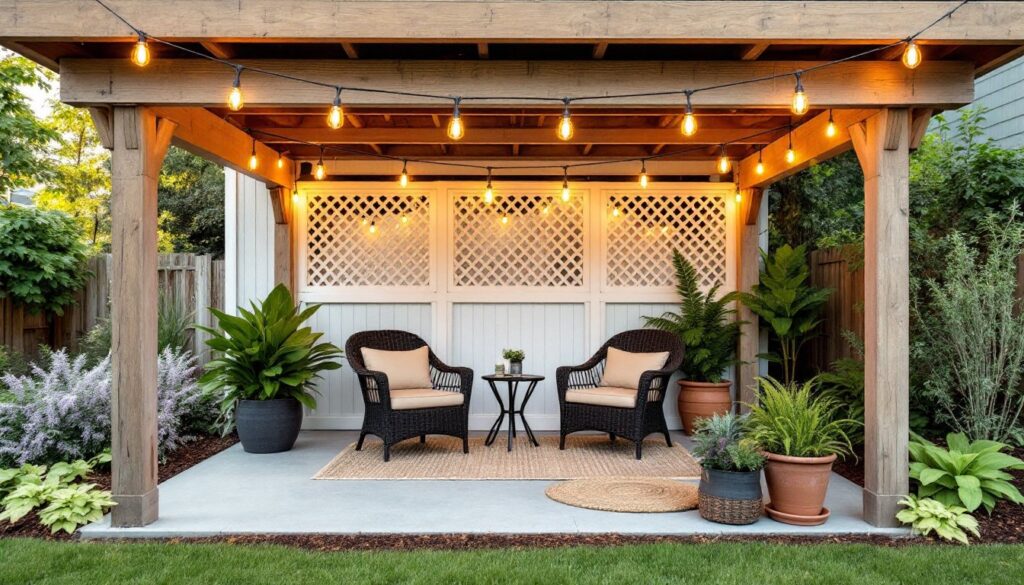
Decks with at least 7 feet of headroom can accommodate outdoor furniture and function as covered patios. Start by establishing a solid, level floor. Pouring a 4-inch concrete slab provides a permanent, low-maintenance surface, though it requires proper site prep, gravel base, and potentially a permit depending on local codes. For a less permanent solution, patio pavers over a compacted gravel base offer flexibility and easier installation.
Define the space with perimeter elements. Lattice panels between deck posts create visual boundaries, improve privacy, and allow air circulation. Staining or painting lattice to match the deck ties the design together. Alternatively, outdoor curtains on galvanized cable or curtain rods add a softer look and can be drawn closed for more privacy or opened for airflow.
Outdoor rugs, weather-resistant furniture, and string lights make the area feel intentional rather than improvised. Choose furniture scaled to the space, bulky sectionals overwhelm tight areas, while bistro sets or folding chairs keep things flexible. If the deck’s underside is exposed joists and floorboards, consider installing a ceiling fan rated for damp locations to improve air movement on humid days.
Electrical work for lighting or fans must follow NEC (National Electrical Code) standards for damp or wet locations depending on exposure. Running conduit and installing GFCI-protected outlets is manageable for experienced DIYers but hiring a licensed electrician ensures code compliance and safety.
Storage and Utility Solutions That Look Great
Under-deck space naturally suits storage, especially for lawn equipment, seasonal items, or firewood. Simple wooden storage bins or deck boxes keep things organized and accessible. For a more polished approach, build a shed enclosure under part of the deck using the existing posts as a structural framework.
A basic shed can be framed with 2×4 studs between deck posts, sheathed with T1-11 siding or board-and-batten, and fitted with a hinged or sliding door. Ensure the structure doesn’t compromise deck stability, avoid cutting or modifying any load-bearing posts without consulting a structural engineer. Adding a simple window or vent prevents mustiness and allows natural light.
For homes with tight outdoor space, under-deck storage can house garbage and recycling bins, keeping them out of sight but easily accessible. Build a three-sided enclosure with a gate that swings or slides open. Use pressure-treated lumber for ground contact and exterior-grade fasteners to resist corrosion.
Firewood racks fit naturally in this zone. Stack wood on treated 4×4 skids to keep it off the ground and allow airflow. Leave at least 6 inches of clearance from any siding or structure to reduce pest issues and moisture transfer. If the deck overhead lacks a drainage system, be aware that firewood may still get damp during heavy rain, a tarp or corrugated roofing panel angled for runoff can help.
Ground Cover and Drainage Considerations
Proper drainage is non-negotiable. Standing water under a deck accelerates wood rot, attracts mosquitoes, and creates a mess. Before installing any landscaping, verify that the ground slopes away from the house at a minimum grade of 2% (about 1/4 inch per foot). If the existing grade is flat or slopes toward the foundation, regrading is necessary.
For low-maintenance coverage, 3/4-inch crushed gravel or pea gravel over landscape fabric prevents mud and allows water to permeate. Gravel is inexpensive, easy to install, and can be refreshed by raking. It won’t support furniture well, so it’s best for utilitarian spaces or pathways.
Rubber mulch or shredded hardwood mulch works in garden areas but requires replenishment every 1–2 years. For a more finished look, consider permeable pavers or flagstone set in sand. These materials handle foot traffic, shed water, and look intentional.
If the deck lacks a drainage system (under-deck ceiling with gutters), water drips through deck board gaps and can oversaturate certain spots. Installing an under-deck drainage system routes water to gutters and downspouts, keeping the area below dry. Systems like Trex RainEscape or TimberTech DrySpace use vinyl panels that attach to the underside of joists, creating a watertight ceiling. Installation typically requires removing deck boards temporarily, it’s easier to install during initial deck construction but can be retrofitted.
Even with drainage systems, ensure downspouts discharge at least 6–10 feet away from the foundation to prevent basement moisture issues or foundation settling.
Lighting and Finishing Touches for Under Deck Landscaping
Lighting transforms under-deck areas from dim afterthoughts into usable evening spaces. Low-voltage LED landscape lights are the safest, most energy-efficient option. Solar-powered stake lights work along pathways or garden borders but may underperform in deep shade, verify the solar panel gets adequate sun exposure elsewhere or opt for wired fixtures.
String lights (outdoor-rated Edison bulbs or LEDs) add ambiance without extensive wiring. Secure them to deck joists with screw-in hooks or cable guides, ensuring all connections are rated for damp or wet locations. Avoid overloading circuits, calculate total wattage and use a dedicated GFCI outlet.
For task lighting near storage or seating areas, motion-sensor LED fixtures mounted to posts provide hands-free illumination. Battery-powered options work for renters or those avoiding electrical work, though they require periodic recharging or battery replacement.
Finishing touches personalize the space. Planters hung from deck joists add greenery at eye level without consuming floor space. Outdoor-rated artwork, address plaques, or even a small water feature (if drainage is managed) make the area feel designed rather than accidental.
If the deck’s underside is visually unappealing (exposed joists, old lumber, or staining), consider painting it with exterior porch and floor paint in a neutral color. This brightens the space and creates a more finished ceiling. Alternatively, install beadboard panels or tongue-and-groove planking for a cottage-style look, ensuring materials are rated for outdoor moisture exposure.
Conclusion
The space under a deck doesn’t have to be a mud pit or storage dumping ground. With attention to drainage, appropriate materials, and a clear plan for how the area will be used, homeowners can turn that shaded zone into a shade garden, outdoor room, or organized storage area. Start by addressing water management, then build from there based on headroom, budget, and intended function. Whether it’s a few hostas and gravel or a fully enclosed patio with lighting, the investment pays off in added usability and a cleaner, more cohesive yard.