

Owning a pool is like having a personal paradise right in your backyard, but let’s face it—keeping that oasis in tip-top shape can feel like a full-time job. Between the leaves, the bugs, and the occasional neighborhood kid who thinks cannonballs are a form of art, pool maintenance isn’t just a splash and dash. So, how much does it really cost to keep your water sparkling and your sanity intact?
Monthly pool maintenance costs can vary widely, depending on factors like size, location, and whether you’ve got a pool boy named Chad or if you’re doing it all yourself. Spoiler alert: it’s not as cheap as a bag of chips! Dive into the details, and discover what you can expect to spend each month to keep your aquatic haven inviting and ready for summer fun.
Understanding Pool Maintenance Costs
Monthly pool maintenance costs vary significantly based on several key factors. Understanding these factors helps in estimating expenses here.
Factors Affecting Cost
Pool size directly influences maintenance expenses. Larger pools require more chemicals, time, and labor. Additionally, location plays a crucial role; some areas have higher costs for water, electricity, and chemicals. Seasonal changes also impact expenses, with hotter months often leading to increased cleaning frequency. Lastly, choosing between DIY maintenance or hiring professionals affects overall costs. Engaging a professional typically incurs higher monthly fees compared to self-maintaining.
Types of Pools
Different pool types incur varying maintenance costs. Inground pools generally have higher upkeep costs due to more complex systems and larger volumes of water. Above-ground pools often demand less maintenance, resulting in lower monthly costs. Saltwater pools offer benefits such as lower chemical use, but initial installation can be pricier. Each pool type requires its approach to chemical balance and cleaning, which contributes to the overall monthly expense. Understanding these distinctions clarifies maintenance budgeting.
Monthly Maintenance Breakdown
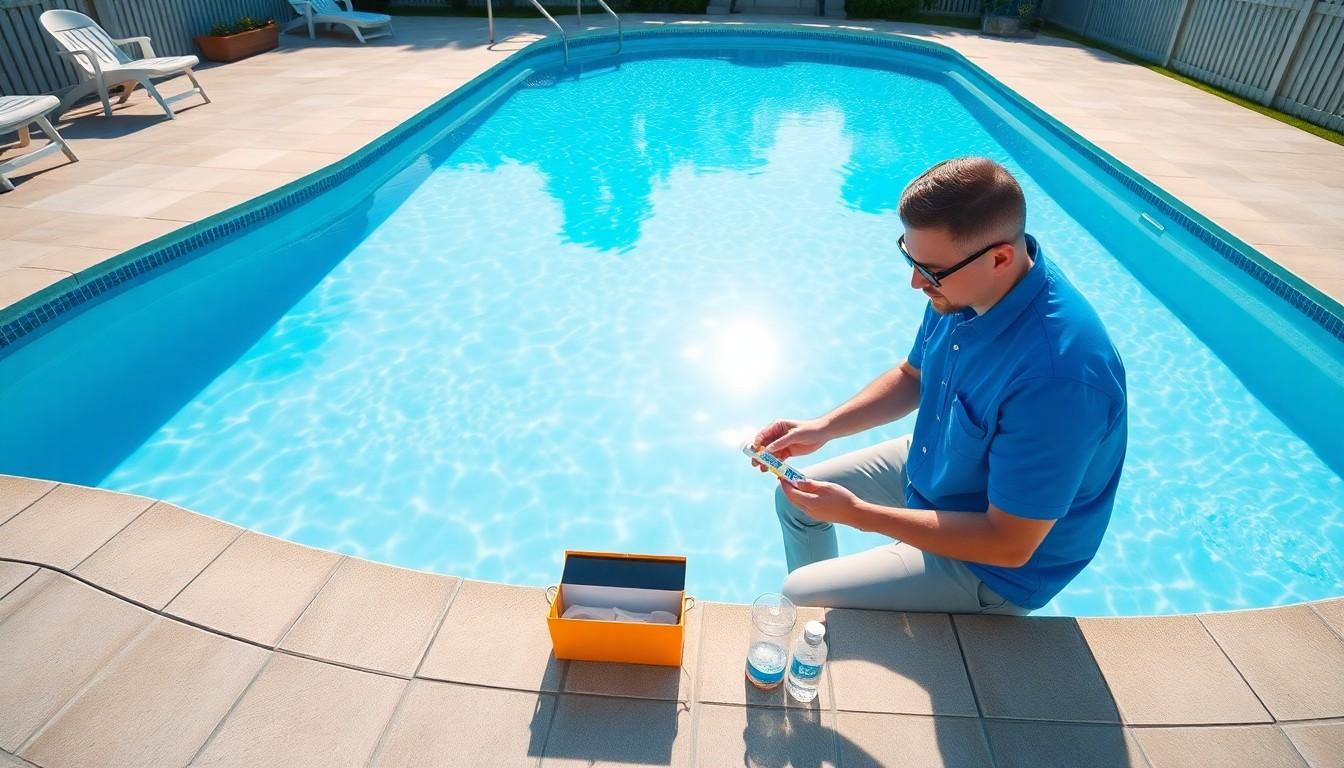
Monthly pool maintenance involves various costs that contribute to keeping the water clean and inviting. Understanding these expenses helps budget effectively.
Chemical Supplies
Chemical supply expenses account for a significant portion of monthly maintenance. Chlorine keeps the water sanitized and costs between $20 and $60 per month depending on usage. pH balancers like muriatic acid or soda ash typically range from $15 to $30 monthly. Algaecide can add another $10 to $25 based on the pool’s condition and surrounding environment. Regular monitoring ensures chemical levels remain balanced, minimizing costly adjustments later. Overall, monthly chemical costs vary based on pool size and local prices, creating a crucial budgeting factor for pool owners.
Cleaning Services
Hiring a professional cleaning service incurs additional monthly costs. Rates usually range from $75 to $150, influenced by pool size and service frequency. Some owners opt for bi-weekly visits, while others prefer weekly maintenance, leading to variations in pricing. Included in these services are skimming, brushing, vacuuming, and checking chemical levels. Regular professional maintenance saves time and guarantees expert care, ensuring the pool remains in peak condition. Evaluating service plans and pricing helps determine the best fit for specific needs, enhancing the overall experience.
Equipment Maintenance
Equipment maintenance expenses play a vital role in overall pool upkeep. Monthly costs for routine maintenance typically range from $20 to $50, covering item checks and minor repairs. Regular inspections of pumps, filters, and heaters prevent significant breakdowns, ensuring they operate efficiently. Replacing cartridges or cleaning filters also contributes to ongoing costs. Proper equipment maintenance prolongs the lifespan of components, ultimately saving money in the long run. Prioritizing regular checks ensures a reliable and enjoyable swimming season without unexpected interruptions.
Comparing DIY vs. Professional Services
Choosing between DIY maintenance and hiring professionals significantly impacts pool maintenance costs. A cost analysis reveals that monthly expenses fluctuate based on the method of maintenance.
Cost Analysis
DIY maintenance typically incurs lower expenses. Monthly chemical supplies for DIY can range from $30 to $60, influenced by pool size and local prices. In contrast, hiring professional services averages between $75 and $150 each month, depending on the pool size and frequency of visits. Additional equipment maintenance costs for both options need consideration. Routine checks and minor repairs usually cost between $20 and $50 monthly, regardless of the chosen maintenance route. Weighing these costs helps pool owners make informed financial decisions.
Time Investment
Time investment varies considerably between DIY and professional services. DIY maintenance demands several hours each month for tasks like cleaning, chemical balancing, and equipment inspections. Pool owners often spend at least 2 to 5 hours weekly on upkeep. Professional services, however, typically require minimal involvement from the owner, allowing them to enjoy the pool without the hassle. When evaluating choices, owners should factor in personal time availability and willingness to commit to regular maintenance responsibilities.
Geographic Variations in Pricing
Monthly pool maintenance costs widely differ based on geographic location. Understanding these variations helps pool owners make informed decisions about upkeep.
Urban vs. Rural Areas
Expenses in urban areas typically exceed those in rural regions. Higher population density often leads to increased demand for pool services, driving up prices. Access to supplies also remains more limited in rural locations, affecting chemical costs. For instance, an urban pool owner might pay $100 to $150 monthly for professional cleaning, while a rural counterpart may spend $75 to $125. Additional variables include local water rates and availability of skilled technicians, impacting overall maintenance fees.
Seasonal Changes
Seasonal fluctuations significantly influence pool maintenance costs. In summer months, higher temperatures trigger more frequent pool use, increasing upkeep requirements. Regular cleaning may be necessary every week during this period, leading to elevated costs. For example, expenses might rise to $150 per month in peak summer compared to $75 during cooler months. Additionally, chemical demands often increase due to greater algae growth and evaporation rates, requiring more careful monitoring and maintenance.
Tips for Reducing Pool Maintenance Costs
Pool owners can take several steps to keep maintenance costs down. Regular cleaning helps prevent algae growth and prolongs equipment life. Owners can use a pool cover during off-seasons to reduce debris accumulation and chemical use.
Investing in a quality filter system can minimize the frequency of cleaning tasks. Efficient systems also lower electricity bills and extend the lifespan of pool equipment. Using solar or energy-efficient heaters can reduce energy consumption, producing long-term savings.
Scheduling routine checks for pool equipment prevents costly repairs. Performing minor repairs promptly stops small issues from escalating into major problems. Owners can attend local workshops or take online courses to gain DIY skills, further reducing service costs.
Buying chemicals in bulk often leads to significant savings. Checking consumer websites for discounts or promotions can help identify savings opportunities. Owners should also regularly compare prices from local supply stores to ensure they are paying competitive rates.
Choosing a proper maintenance schedule is crucial. Reducing frequency to bi-weekly instead of weekly can save on service costs while still keeping the pool clean. Establishing a maintenance routine tailored to the specific needs of the pool can optimize upkeep without overspending.
Finally, engaging in collaborative maintenance arrangements with neighbors can be beneficial. Sharing equipment and services lowers costs for everyone involved. Pool owners can exchange helpful tips and recommendations, further minimizing expenses while enhancing their recreational experience.
Maintaining a pool is an investment that brings joy and relaxation but comes with its share of costs. By understanding the various factors influencing monthly expenses, pool owners can better prepare for the financial commitment involved. Whether opting for DIY maintenance or hiring professionals, knowing the average costs can help in budgeting effectively.
Seasonal changes and geographic variations play significant roles in determining overall expenses. With proper planning and proactive maintenance strategies, owners can enjoy their pools while keeping costs manageable. By implementing cost-saving tips and staying informed, maintaining a clean and inviting pool becomes a rewarding experience.