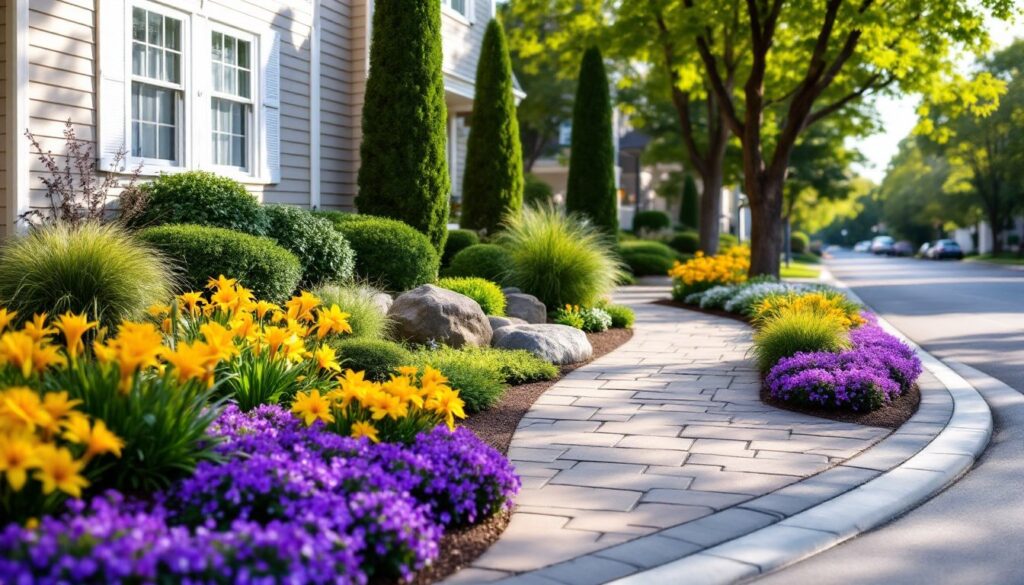
Corner lots present a unique landscaping challenge, and opportunity. With twice the street exposure of interior lots, corners demand thoughtful design that works from multiple sightlines while handling higher foot traffic, drainage quirks, and municipal easements. Done right, corner landscaping becomes a neighborhood focal point. Done poorly, it’s an awkward afterthought that drags down curb appeal. The good news? A few strategic plantings, hardscape touches, and layering techniques can turn that exposed corner into a standout feature. Here are fifteen proven ideas that address the practical realities of corner yards while delivering serious visual impact.
Table of Contents
ToggleKey Takeaways
- Corner landscaping ideas must account for dual street frontage, strict sightline codes (typically 10–25 feet from the corner), and drainage patterns that differ from interior lots.
- A layered planting approach—back row of shrubs, middle tier of perennials, and front edge of groundcovers—creates visual depth and magazine-worthy curb appeal without looking rigid.
- Evergreen shrubs like boxwoods, hollies, and columnar arborvitaes form the backbone of corner designs, while native plants adapted to your region cut maintenance by 75% after year one.
- Hardscape elements such as low decorative fencing, boulder groupings, and curved walkways define corners while discouraging foot traffic and enhancing property structure.
- Four-season interest requires strategic plant selection: spring bulbs, summer-blooming perennials, fall ornamental grasses, and winter evergreens or berry-producing shrubs.
- Drip irrigation, metal edging, and 3-inch mulch depth are low-effort techniques that keep corner landscaping ideas looking polished while reducing water waste and maintenance labor.
Why Corner Lots Deserve Special Landscaping Attention
Corner properties face unique pressures that interior lots don’t. Dual street frontage means twice the sidewalk exposure, which translates to more eyes on the property, and higher maintenance expectations. Municipal codes often require additional setbacks and sight-triangle clearances at intersections, limiting planting zones near curbs. Most jurisdictions mandate clear sight lines 10–25 feet back from the corner (check local ordinances before planting anything taller than 30 inches in these areas).
Drainage patterns differ on corners, too. Water often sheets across two directions, creating either pooling issues or overly dry spots depending on grading. Soil compaction from sidewalk installation and utility trenches is common along property lines, requiring amendment before planting.
The upside? Corner lots enjoy better light exposure and natural airflow, which opens up plant options that shadier interior yards can’t support. A well-designed corner landscape also boosts the entire block’s aesthetic, neighbors notice, and property values reflect it.
Foundation Plantings That Anchor Corner Spaces
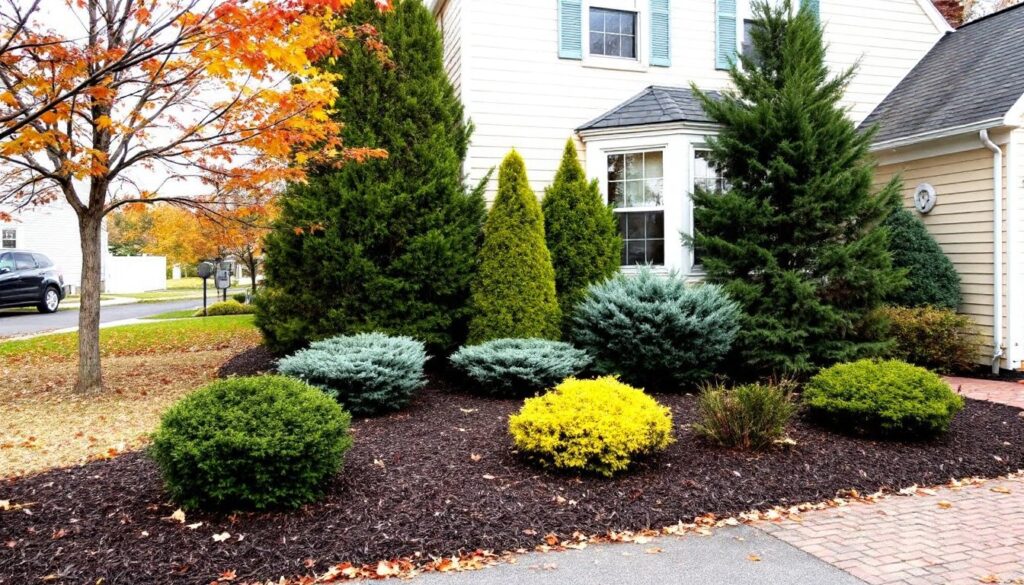
Evergreen shrubs form the backbone of any corner planting scheme. Boxwoods (Buxus sempervirens), hollies (Ilex varieties), and compact junipers provide year-round structure without blocking sightlines when kept to 3–4 feet. Plant them in staggered rows 24–36 inches apart to create depth without a rigid hedge look.
For taller corner accents away from intersection sight triangles, consider columnar evergreens like ‘Sky Pencil’ holly or arborvitae ‘Emerald Green,’ which grow vertically (10–15 feet) without sprawling width. These work well as living corner markers that frame the property without demanding constant shearing.
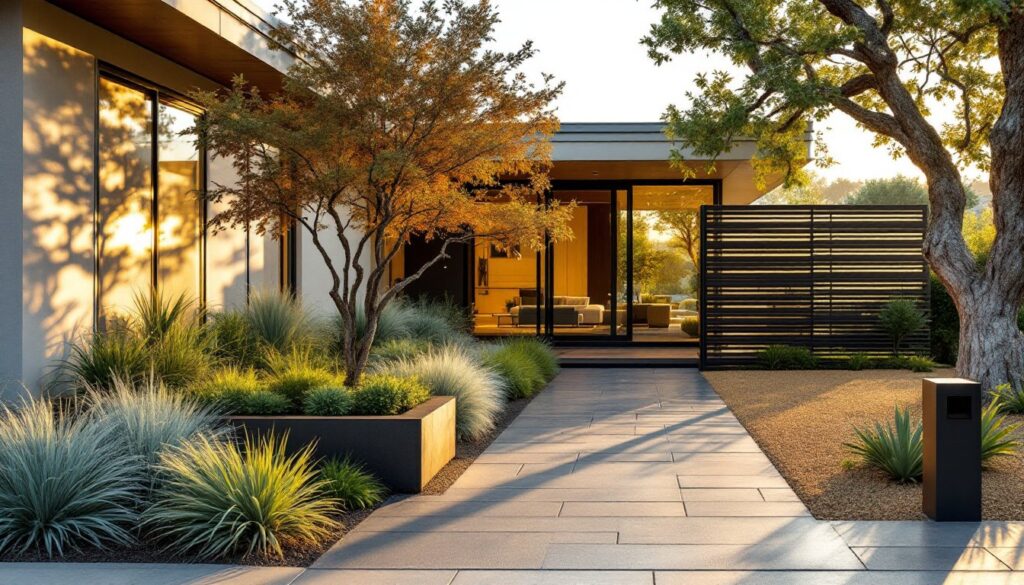
Ornamental grasses, like Karl Foerster featherreed grass or ‘Morning Light’ miscanthus, add movement and texture while staying code-friendly. Most top out at 4–5 feet and tolerate road salt, exhaust, and compacted soil better than broadleaf shrubs. Plant in clusters of three or five for natural-looking drifts, spacing them 18–24 inches on center.
Avoid fast-spreading groundcovers like English ivy near sidewalks: they’ll invade cracks and create tripping hazards. Opt instead for creeping phlox or sedum in contained beds with edging.
Creating Visual Interest With Layered Flower Beds
Layering is the pro move that separates amateur corner beds from magazine-worthy designs. Start with a back row of 3–4 foot shrubs, middle tier of 18–24 inch perennials, and a front edge of 6–12 inch groundcovers or annuals. This creates a cascading effect visible from the street without looking like a wall.
For the middle tier, use repeat-blooming perennials that don’t require staking: ‘Stella de Oro’ daylilies, ‘Rozanne’ geranium, or coneflowers (Echinacea). Space them closer than package recommendations suggest, 12–15 inches instead of 18, to establish faster coverage and reduce mulch exposure.
Front-edge annuals let homeowners refresh color seasonally. Petunias, marigolds, and calibrachoa work for sun: impatiens and begonias handle part-shade corners. For a lower-maintenance approach, swap annuals for hardy perennials like ‘Walker’s Low’ catmint or ‘Autumn Joy’ sedum, which bloom for months and don’t need deadheading.
Define bed edges with a 4–6 inch steel or aluminum edging strip sunk halfway into the soil. This keeps mulch in place during heavy rain and creates a clean line against turf. Plastic edging warps and heaves in freeze-thaw cycles: metal lasts decades.
Hardscaping Elements for Corner Definition
Low decorative fencing, 36–48 inches of wrought iron, composite picket, or horizontal slat, adds structure without violating sight-line codes. It also establishes a psychological boundary that discourages foot traffic cutting across the corner. Check setback requirements: fences often need to sit 2–3 feet behind the sidewalk.
Boulder groupings make bold corner statements. Use three to five moss rock or fieldstone boulders in varying sizes (12–30 inches diameter), buried one-third deep so they look natural rather than dumped. Nestle low grasses or creeping thyme around them for softness. One landscape supply yard ton of stone (roughly 15–20 boulders) runs $150–$400 depending on type and region.
Curved walkways made from flagstone, pavers, or decomposed granite guide visitors around the corner rather than across plantings. A 3-foot-wide path needs 4–6 inches of compacted gravel base topped with 1 inch of setting sand before pavers go down, skipping base prep leads to settling and weed invasion within a season.
For corners with mature trees, build circular tree rings using stacked stone or timber edging, then fill with shade-tolerant plantings like hostas or ferns. This protects surface roots from mower damage and creates a finished look around an existing feature.
Low-Maintenance Corner Garden Solutions
Corner lots get more scrutiny, so low-maintenance strategies matter. Start with native plants adapted to local rainfall and soil. In the Southeast, that might mean beautyberry and switchgrass: in the Mountain West, penstemon and rabbitbrush. Natives establish faster, need less water after year one, and resist regional pests without chemical intervention.
Drip irrigation beats sprinklers for corner beds. A simple zone running off the home’s existing system, ¼-inch emitter tubing with 12-inch spacing, delivers water to root zones without overspray onto sidewalks (which wastes water and can violate municipal codes). Budget $75–$150 for a DIY corner zone covering 150–200 square feet.
Mulch depth matters more than most homeowners realize. Three inches of shredded hardwood or pine bark suppresses weeds and moderates soil temperature, but anything over 4 summons voles and rots plant crowns. Refresh mulch annually in spring: coverage is roughly 1 cubic yard per 100 square feet at 3 inches deep.
Perennials over annuals cut replanting labor by 75%. A corner bed of black-eyed Susans, salvia, and Russian sage blooms for months and returns every year with minimal deadheading. If seasonal color is non-negotiable, limit annuals to containers or a small front strip rather than the entire bed.
Seasonal Color Strategies for Year-Round Appeal
Four-season interest requires intentional plant selection. Spring kicks off with early bulbs, daffodils, crocuses, and tulips, planted 6 inches deep in fall. Interplant bulbs with perennials: as bulb foliage dies back in late spring, emerging perennial leaves hide the mess.
Summer color comes from long-blooming perennials like coreopsis, gaillardia, and daylilies, supplemented with heat-tolerant annuals (zinnias, pentas) if desired. Deadhead spent blooms weekly to push continuous flowering through August.
For fall, ornamental grasses hit their stride, ‘Fireworks’ fountain grass and little bluestem turn burgundy and gold. Add asters and mums for late-season flowers, and don’t cut grasses back until early spring: their dried plumes add winter structure.
Winter interest often gets neglected. Evergreens carry the show, but red twig dogwood or yellow twig dogwood shrubs provide vivid stem color against snow. Winterberry holly (female plants with a nearby male pollinator) holds bright red berries through January. Ornamental seed heads on coneflowers and black-eyed Susans also catch frost and feed birds, leave them standing rather than cutting back in fall.
Conclusion
Corner landscaping isn’t just curb appeal, it’s neighborhood presence. The best designs respect sightline codes and drainage realities while layering texture, height, and seasonal interest. Start with a solid foundation of evergreens and natives, add hardscape definition, then layer in color where it makes sense. A well-planned corner bed delivers impact from every angle without demanding weekend-long maintenance. And when the whole block slows down to look? That’s the payoff.