Arizona homeowners face a unique challenge: creating an outdoor space that thrives in triple-digit summers, minimal rainfall, and intense UV exposure. Cookie-cutter landscaping falls apart fast in the Sonoran Desert. But with the right materials, plant selections, and design strategies, an Arizona backyard can become a functional, beautiful retreat that actually improves with age. From drought-tolerant xeriscaping to strategically placed shade structures, these backyard ideas Arizona residents can rely on prioritize durability, water conservation, and year-round usability without sacrificing style.
Table of Contents
ToggleKey Takeaways
- Arizona backyard ideas must prioritize drought-tolerant plants, shade structures, and heat-resistant materials to thrive in extreme heat, minimal rainfall, and intense UV exposure.
- Xeriscaping with decomposed granite groundcover, desert-adapted plants like agave and palo verde, and drip irrigation reduces water consumption while maintaining year-round color and texture.
- Strategic shade structures including ramadas, pergolas, and shade cloth can reduce outdoor temperatures by 20–30°F, making Arizona backyards usable during scorching summer months.
- Hardscaping materials such as flagstone, concrete pavers in light colors, and textured surfaces withstand thermal expansion and UV degradation better than traditional alternatives.
- Dedicated outdoor living zones with covered patios, outdoor kitchens, and proper ventilation extend the usability of Arizona backyards during spring and fall when temperatures are comfortable.
- Water-smart features like pool covers, splash pads, and rain gardens help Arizona homeowners conserve water while providing cooling relief during drought conditions.
Why Arizona Backyards Require a Unique Design Approach
Arizona’s climate isn’t just hot, it’s punishing on traditional landscaping. Annual rainfall in Phoenix averages just 8 inches, while summer temperatures regularly exceed 110°F. Grass lawns demand constant irrigation and die back even though best efforts. Wood fences warp and crack. Exposed metal fixtures become too hot to touch by midday.
Successful Arizona backyard designs account for these realities upfront. Water scarcity drives plant selection toward native and adaptive species. Extreme heat demands shade structures, reflective surfaces, and materials that won’t degrade or become hazardous. Intense sun exposure fades colors and breaks down organic materials faster than in temperate climates.
Local codes in many Arizona municipalities encourage or mandate xeriscaping and limit turf coverage. Homeowners’ associations often restrict water usage for outdoor irrigation. These aren’t just suggestions, ignoring climate realities leads to dead plants, cracked hardscaping, and wasted money. The good news? Desert-adapted designs require less maintenance once established and offer distinct aesthetic appeal that complements Arizona’s natural landscape.
Drought-Tolerant Landscaping Ideas for Arizona Yards
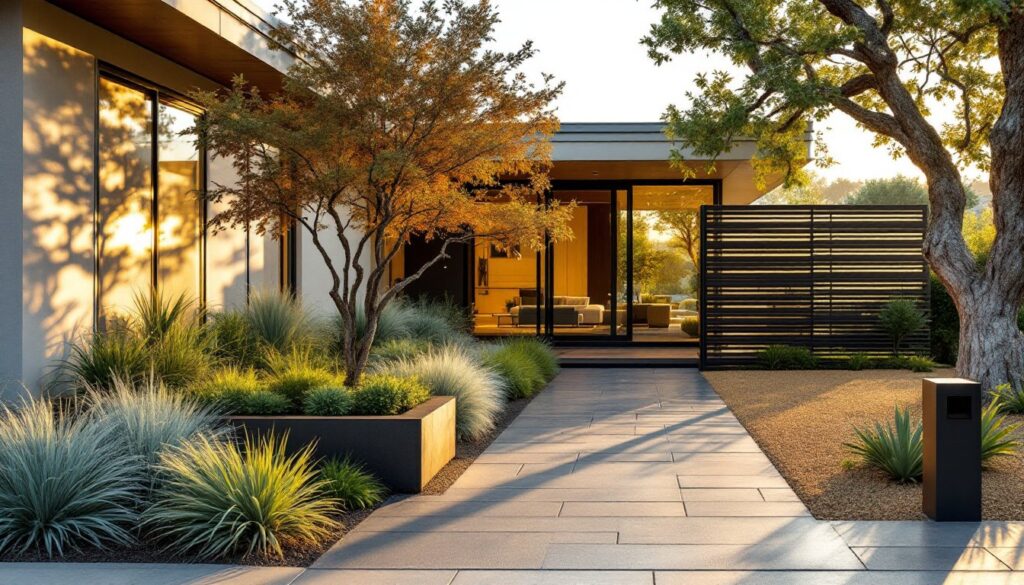
Xeriscaping doesn’t mean lifeless gravel beds. Done right, drought-tolerant landscaping delivers texture, color, and seasonal interest while using a fraction of the water traditional gardens demand.
Decomposed granite (DG) is the workhorse groundcover for simple Arizona backyard ideas. It compacts well, costs roughly $40–$60 per cubic yard (region-dependent), and comes in earth tones that don’t create glare. Lay landscape fabric beneath to suppress weeds, then spread DG 2–3 inches deep and compact with a hand tamper or plate compactor.
Crushed rock in varying sizes, from 3/8-inch to 1.5-inch river rock, adds visual contrast. Arrange larger boulders as focal points or borders. Avoid small pea gravel in high-traffic areas: it migrates into adjacent spaces and becomes a tripping hazard.
Desert Plant Palettes That Thrive Year-Round
Native and desert-adapted plants anchor backyard landscaping ideas Arizona homeowners can count on. Agave varieties (century plant, parry’s agave) offer bold sculptural forms and need watering only every 2–3 weeks once established. Palo verde trees provide dappled shade and bloom vibrant yellow in spring. Red yucca (Hesperaloe parvilflora) produces tall coral blooms from late spring through fall and tolerates full sun and reflected heat.
For groundcover, trailing lantana and desert marigold spread low, bloom profusely, and attract pollinators. Texas sage (Leucophyllum) delivers purple or pink flowers after summer monsoons and requires almost no supplemental water.
Group plants by water needs, hydrozoning, to avoid overwatering drought-tolerant species or under-watering thirstier specimens. Install drip irrigation with individual emitters rather than spray heads: this reduces evaporation and delivers water directly to root zones. Most desert plants do best with deep, infrequent watering rather than shallow daily cycles.
Creating Shade and Cooling Features for Summer Comfort
Without shade, Arizona backyards are unusable from May through September. Strategic shade structures extend outdoor living by 20–30°F in shaded zones.
Ramadas and pergolas built from lumber or steel offer partial shade and support climbing vines like bougainvillea or desert willow. Pressure-treated lumber rated for ground contact (posts should be 4×4 or 6×6) holds up better than untreated wood, but expect some cracking. For longer life, consider powder-coated aluminum or galvanized steel frameworks.
Attach shade cloth (30–50% density) to pergola frames for immediate relief. Black or dark green blends visually: lighter colors reflect more heat but show dirt. Secure with UV-resistant zip ties or stainless steel grommets and cable, not bungee cords that degrade quickly.
Patio misters reduce ambient temperature by evaporative cooling, expect drops of 10–20°F within the misting zone. Install a 100–150 PSI misting pump for fine mist that doesn’t soak furniture. Run 1/4-inch polyethylene tubing along pergola beams and space nozzles every 18–24 inches. Check local codes: some areas require backflow preventers on misting systems.
Retractable awnings work well over west- or south-facing patios. Look for fabrics rated 90+ UPF (ultraviolet protection factor) and frames rated for 20+ mph winds common during monsoon season.
Hardscaping Materials That Withstand Extreme Temperatures
Hardscaping in Arizona needs to endure thermal expansion, UV degradation, and occasional monsoon flooding. Poor material choices lead to cracked pavers, faded surfaces, and costly replacements.
Flagstone (typically sandstone or limestone) is a desert staple. It stays cooler underfoot than concrete and handles temperature swings without cracking. Expect to pay $15–$25 per square foot installed, depending on thickness and stone type. Set flagstone in 2–3 inches of decomposed granite base with polymeric sand or mortar joints.
Concrete pavers cost less, $8–$15 per square foot, but choose lighter colors to reduce heat absorption. Textured surfaces stay cooler than smooth finishes. Lay pavers over 4–6 inches of crushed aggregate base compacted in lifts. Edge restraints (aluminum or plastic) prevent shifting.
Stamped or stained concrete offers design flexibility. Add acrylic sealers to resist UV fading, but reapply every 2–3 years. Avoid dark stains: charcoal and black surfaces become dangerously hot.
Synthetic turf appeals to some homeowners wanting a green look without watering. Quality products rated for 180+ °F surface temps and UV stability of 8+ years perform better than cheap imports. Install over crushed rock base with weed barrier, and expect $8–$12 per square foot installed. Note that turf still heats up, plan for shade or limit use to shaded zones.
Outdoor Living Spaces Designed for Arizona’s Climate
Arizona backyards benefit from dedicated zones for cooking, dining, and relaxing that account for seasonal use patterns.
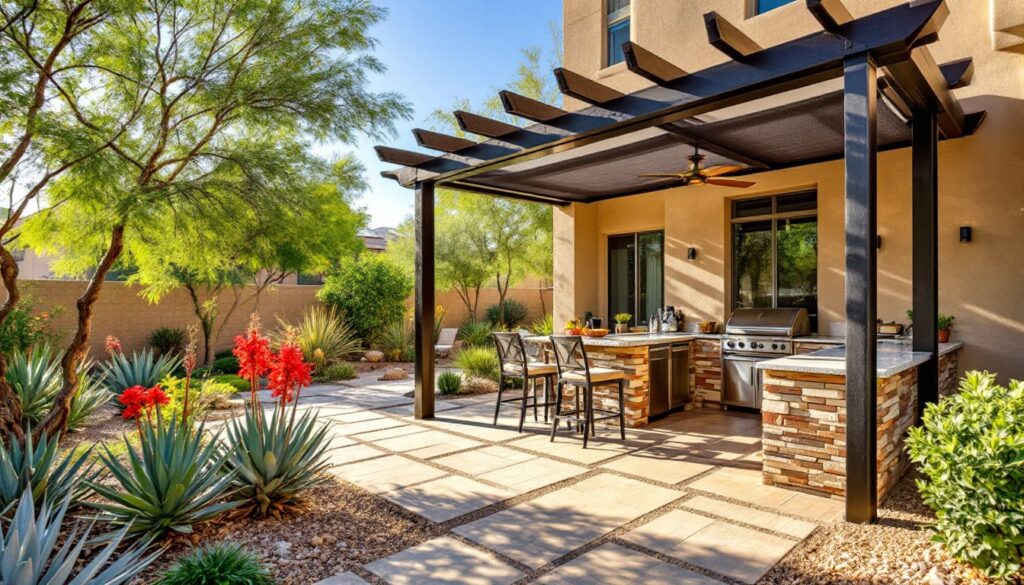
Covered patios with ceiling fans make spring and fall evenings comfortable. Use outdoor-rated fans (wet or damp location listed) with metal blades rather than wood, which warps. Run 14-gauge wiring on dedicated circuits per NEC Article 210. If the project involves adding outlets or permanent wiring, check local permitting requirements.
Outdoor kitchens with built-in grills, sinks, and refrigeration extend usability. Frame islands with concrete block or steel studs, then veneer with stacked stone, stucco, or tile. Countertops should be granite, concrete, or porcelain tile, laminate and wood degrade quickly. Run plumbing and gas lines before building the structure: retrofitting is expensive. Gas lines typically require licensed plumbers and inspections.
Fire features, whether wood-burning chimeneas or propane fire tables, add ambiance during cooler months (November–March). If installing a built-in gas fire pit, check local codes: many areas require flame sensing safety shutoffs and minimum clearances from structures.
Furnish with powder-coated aluminum or resin wicker rather than wrought iron, which rusts, or untreated wood, which cracks. Choose solution-dyed acrylic fabrics (Sunbrella or equivalent) for cushions, they resist UV fading and mildew better than polyester blends.
Water-Smart Features and Desert-Friendly Pools
Pools are popular in Arizona, but water conservation and heat management require thoughtful planning.
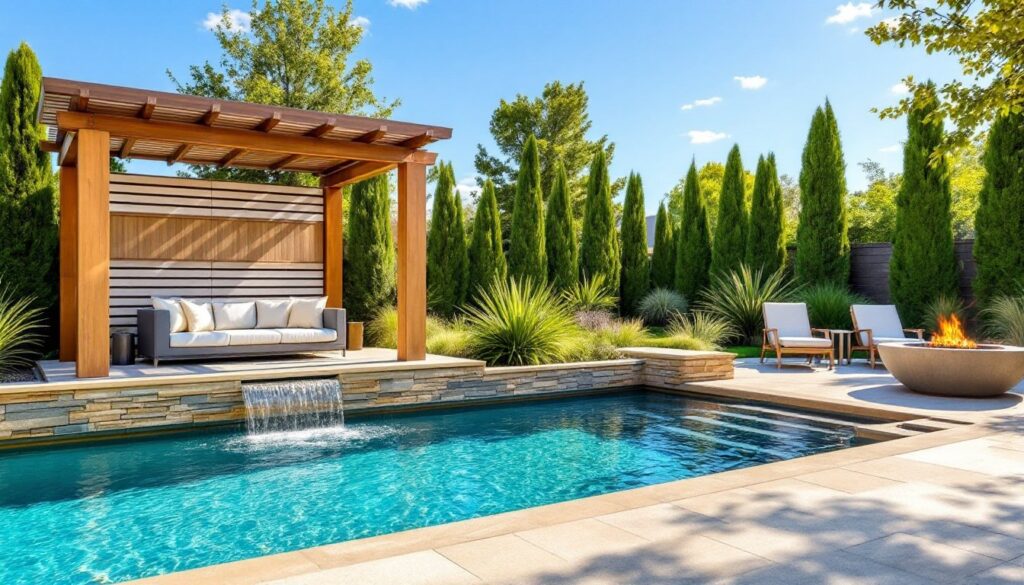
Pool covers reduce evaporation by 70–90%, critical when summer evaporation rates exceed 1/4 inch per day. Automatic covers cost $8,000–$15,000 but pay back in reduced water and chemical costs within a few years. Manual solar covers work too, $100–$300, but require discipline to use consistently.
Pebble or plaster finishes in lighter colors reflect heat and reduce water temperature compared to dark liners. Glass tile at the waterline resists calcium buildup common in Arizona’s hard water.
Splash pads and bubblers offer cooling without the commitment or cost of a full pool. Compact splash pad kits run $1,500–$4,000 and recirculate water through a small reservoir. Most require a GFCI-protected 20-amp circuit and concrete pad.
Dry creek beds and rain gardens capture monsoon runoff and direct it toward planted areas. Dig shallow swales 6–12 inches deep, line with landscape fabric, then fill with 2–4 inch river rock. Plant moisture-tolerant species like desert willow or fairy duster along edges to benefit from seasonal water flow.
Always check with your homeowner’s association and local municipality before starting water features. Some areas restrict pool sizes, require permits for excavation, or mandate drought-tolerant landscaping ratios.