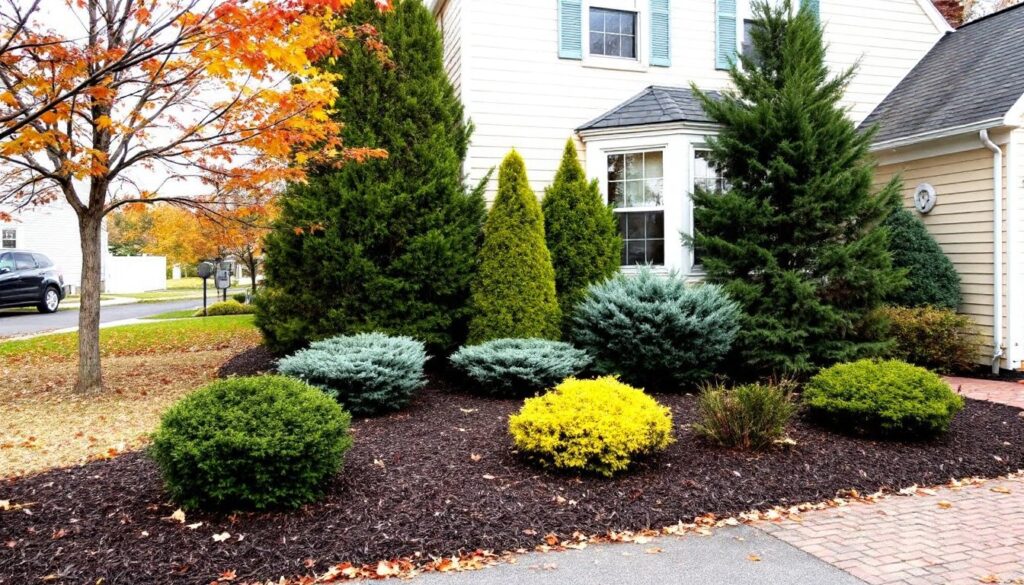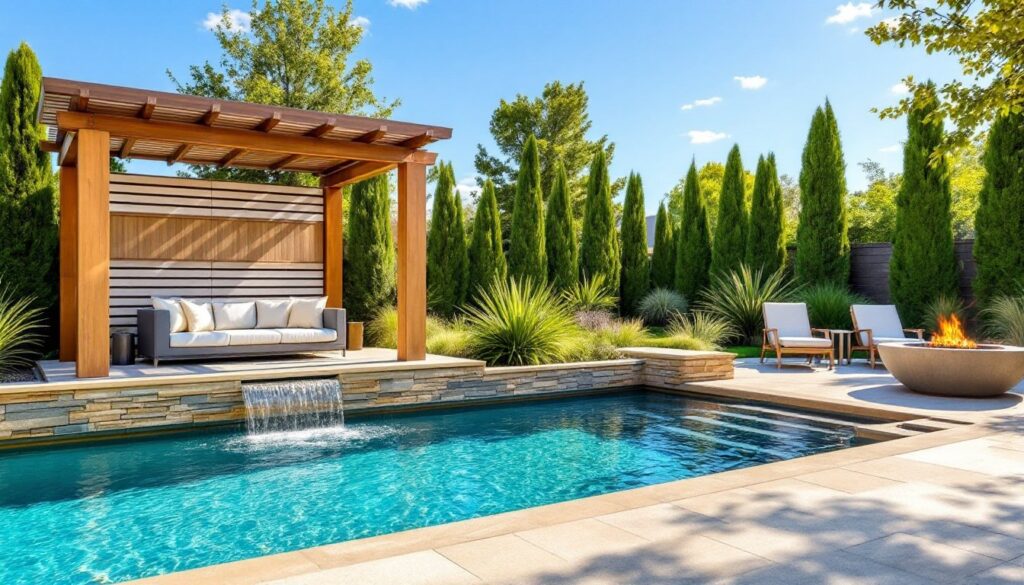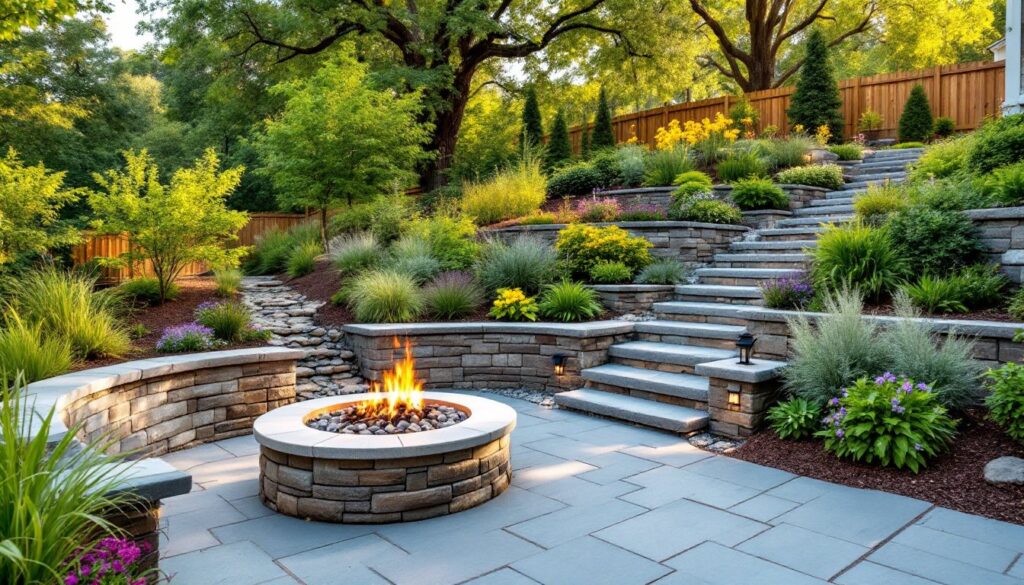
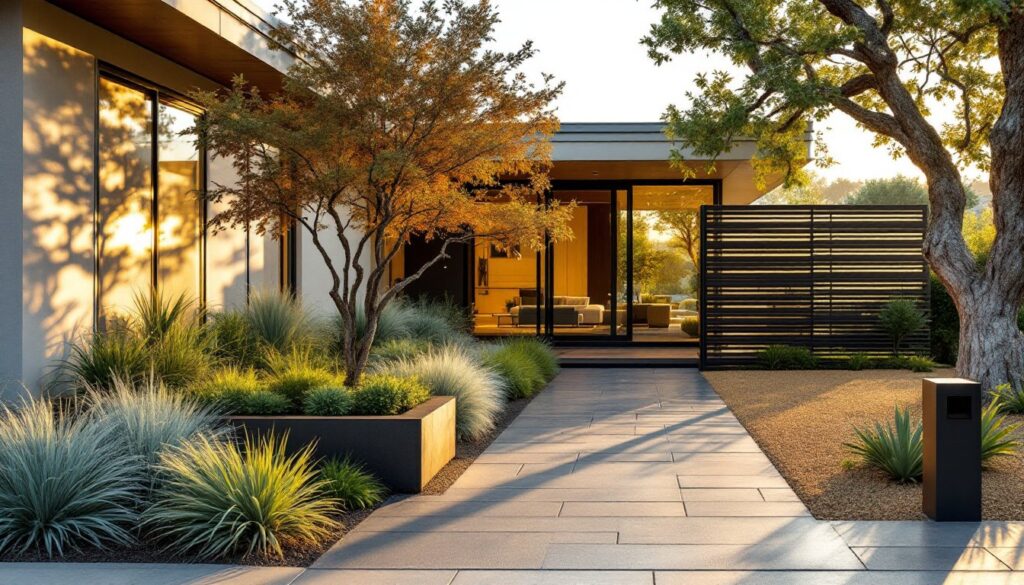
Modern front yard landscaping has evolved beyond manicured lawns and foundation shrubs. Today’s homeowners are embracing clean lines, sustainable plant choices, and bold hardscaping that cuts maintenance while maximizing visual impact. Unlike traditional landscaping that relies on symmetry and high upkeep, modern design prioritizes function, drought tolerance, and architectural interest. This approach works well for busy households, water-conscious regions, and anyone tired of weekend mowing. The key is understanding which elements define the style, and how to execute them without turning the yard into a barren concrete slab.
Table of Contents
ToggleKey Takeaways
- Modern front yard landscaping prioritizes clean lines, sustainable plants, and hardscaping that reduces maintenance while maximizing visual impact, making it ideal for busy homeowners and water-conscious regions.
- Select plants with strong structural forms like ornamental grasses, succulents, and evergreens in bold groupings rather than mixed beds to achieve the minimalist aesthetic that defines the style.
- Hardscaping elements such as porcelain pavers, Corten steel edging, and concrete pathways are the primary design features that define modern landscapes, with professional installation costs ranging from $15–$30 per square foot.
- Replace traditional lawns with low-maintenance ground covers like creeping thyme or clover, and implement xeriscaping principles including drip irrigation and 2–3 inches of mulch to cut water use by 50–70%.
- Use monochromatic or analogous color schemes with coordinated materials (grayscale, warm minimalism, or black and white) and incorporate modern lighting fixtures to create cohesion and extend outdoor usability after dark.
What Defines Modern Front Yard Landscaping?
Modern landscaping strips away ornamental excess in favor of deliberate simplicity. The style emphasizes geometric forms, restrained color palettes, and textural contrast rather than a riot of blooms. Think single-species mass plantings instead of mixed beds, horizontal privacy screens instead of picket fences, and gravel or pavers instead of grass.
Key characteristics include:
- Clean, horizontal lines that echo mid-century and contemporary architecture
- Limited plant variety used in bold, repetitive groupings
- Hardscaping as a primary design feature, not just pathways
- Native or adaptive plants that thrive without constant intervention
- Negative space treated as intentional, not empty
This isn’t minimalism for its own sake. The style reduces visual clutter and labor hours while creating a cohesive look that complements modern home exteriors. Homes with flat roofs, large windows, or stucco facades benefit most, but the principles adapt to many architectural styles.
One practical consideration: modern landscapes often use fewer plants overall, which can mean higher upfront cost per specimen if opting for mature stock. Younger plants fill in over time but require patience, plan for a two-to-three-year maturation period for grasses and perennials.
Minimalist Plant Palettes and Architectural Greenery
Modern plant selection favors structural form over seasonal color. Ornamental grasses, succulents, and evergreen shrubs with strong silhouettes do the heavy lifting.
Top plant choices:
- Ornamental grasses: Blue fescue (Festuca glauca), Mexican feather grass (Nassella tenuissima), and Karl Foerster feather reed grass (Calamagrostis x acutiflora) provide year-round texture and movement. Plant in masses of five or more for impact.
- Agaves and yuccas: Drought-tolerant and sculptural, these work in USDA zones 7–11 depending on variety. Agave parryi and Yucca rostrata offer bold vertical accents.
- Boxwood and evergreen hedges: Clipped into geometric shapes or left natural, Buxus sempervirens and Ilex crenata create living architecture.
- Succulents: Hens-and-chicks (Sempervivum), sedums, and echeverias fill gaps between pavers and thrive in poor soil.
Specimen trees anchor modern designs. Japanese maples (Acer palmatum), olive trees (Olea europaea in zones 8–10), and multi-trunk birches offer sculptural canopies without overwhelming small lots. Plant 15–20 feet from structures to account for mature spread.
Avoid: Traditional foundation plantings like azaleas or forsythia, which look dated against modern architecture. Skip high-water annuals unless installing drip irrigation on a timer.
Spacing tip: Modern designs use fewer plants with intentional gaps. For grasses, space 18–24 inches apart: for shrubs, follow mature width guidelines and resist the urge to fill immediately.
Hardscaping Elements That Make a Statement
Hardscaping defines modern landscapes more than plants. Concrete pavers, steel edging, and decomposed granite create structure and reduce lawn dependency.
Material options:
- Porcelain pavers: Available in large-format sizes (24″ x 24″ or larger), these mimic concrete or stone with minimal grout lines. They resist staining and freeze-thaw damage better than natural stone.
- Poured concrete: Sleek and customizable, but prone to cracking in freeze-thaw climates unless properly reinforced with rebar or wire mesh and control joints every 8–10 feet.
- Corten steel edging: Develops a controlled rust patina and provides crisp borders between planting beds and hardscape. Typically sold in 4-inch or 6-inch heights.
- Decomposed granite (DG): A permeable, compactable gravel alternative. Requires edge restraints to prevent migration and periodic re-compaction.
Walkways and entry paths should be 4–5 feet wide for comfortable two-person passage. Use 6 inches of compacted base (crushed stone) under pavers to prevent settling.
Retaining walls in modern designs often feature board-formed concrete or stacked modular blocks in charcoal or gray. Keep walls under 4 feet to avoid most jurisdictions’ engineering and permit requirements, though this varies, check local codes.
Privacy screens made from horizontal slat fencing, perforated metal panels, or wire-and-timber frames add architectural interest while blocking sightlines. Ensure screen posts are set in concrete footings below frost line (typically 36–42 inches in northern climates).
One note: hardscaping is labor-intensive and costly. Expect $15–$30 per square foot for professional installation of pavers, more for custom concrete or stone. DIYers can tackle small paver projects with a plate compactor rental and patience.
Low-Maintenance Ground Covers and Xeriscaping
Grass lawns are optional in modern design. Ground covers and xeric plantings cut water use by 50–70% compared to traditional turf while adding texture.
Ground cover alternatives:
- Creeping thyme (Thymus serpyllum): Tolerates light foot traffic, releases fragrance when stepped on, and thrives in full sun. Plant plugs 6–12 inches apart.
- Dymondia margaretae: A low-growing, drought-tolerant ground cover for mild climates (zones 9–11). Stays under 2 inches tall.
- Mondo grass (Ophiopogon japonicus): Works in shade where most ground covers fail. Not a true grass, it’s a lily relative.
- Clover lawns: White clover (Trifolium repens) stays green with minimal water, fixes nitrogen, and tolerates moderate traffic. Seed at 4–8 ounces per 1,000 square feet.
Xeriscaping principles for modern yards:
- Group plants by water needs, don’t mix thirsty perennials with succulents.
- Mulch heavily: Apply 2–3 inches of shredded bark, gravel, or decomposed granite to retain moisture and suppress weeds.
- Install drip irrigation: Soaker hoses or drip lines deliver water directly to root zones with minimal evaporation. Run zones separately for high- and low-water plants.
- Amend soil sparingly: Many xeric plants prefer lean, well-draining soil. Adding compost can encourage overgrowth and reduce drought tolerance.
If keeping some turf, consider tall fescue blends for cool climates or buffalograss for hot, dry regions. Both require 30–50% less water than Kentucky bluegrass. Limit turf to functional areas, play zones or dog runs, and border with steel or concrete edging for a sharp transition.
Irrigation heads should be low-profile pop-up rotors or MP rotators that distribute water evenly. Avoid oscillating sprinklers, which waste water on hardscape.
Modern Lighting and Outdoor Features
Landscape lighting extends usability after dark and highlights architectural elements. Modern fixtures favor downlighting, path lights with clean geometric housings, and accent uplighting on specimen plants or walls.
Lighting types:
- LED path lights: Choose fixtures in powder-coated aluminum or stainless steel with integrated LEDs (3000K color temperature for warm white). Space 8–10 feet apart along walkways.
- Uplighting: Position 3-watt to 5-watt LED spotlights at the base of feature trees or along wall planes. Aim for subtle washes, not spotlighting.
- Step lights: Recessed fixtures installed in risers or adjacent walls. Particularly important for safety on any elevation change over 4 inches.
- String lights: While trendy, they can clash with modern aesthetics unless using minimalist cafe-style bulbs on black or stainless cable.
Low-voltage systems (12V) are DIY-friendly and safer than line-voltage (120V) installations. Run 12- or 14-gauge landscape wire from a transformer to fixtures, burying cable 6 inches deep. Always use a timer or photocell to automate lighting.
Water features in modern yards lean toward geometric reflecting pools, linear fountains, or sleek rill channels. Avoid naturalistic rock waterfalls. Recirculating pumps should be sized to turn over the entire volume once per hour: a 200-gallon feature needs a 200 GPH pump. Install a GFCI-protected outlet within 6 feet.
Fire features: Gas fire pits with concrete or steel surrounds fit the modern aesthetic. Ensure 10-foot clearance from structures and check local codes, some municipalities restrict open flames. Propane is more DIY-friendly than natural gas, which requires professional line installation.
Color Schemes and Material Palettes for Contemporary Yards
Modern landscapes use monochromatic or analogous color schemes rather than rainbow beds. The goal is visual cohesion, not variety for its own sake.
Color strategies:
- Grayscale with green: Charcoal pavers, galvanized steel planters, and silver-blue grasses (like blue oat grass, Helictotrichon sempervirens) against dark mulch.
- Warm minimalism: Corten steel, terracotta, and golden grasses (Stipa gigantea, Mexican feather grass) with buff-colored decomposed granite.
- Black and white: White stucco walls, black window frames, and dark pavers contrasted with variegated or chartreuse foliage (like Hakonechloa macra ‘Aureola’).
Material coordination matters. If the home exterior features brick, echo that warmth in pavers or gravel color. Homes with cool gray siding pair well with bluestone, slate, or concrete.
Accent colors should be used sparingly, a single bold planter, a painted front door, or a run of colored tile. Overuse dilutes the modern aesthetic.
Mulch choices:
- Shredded hardwood bark: Natural look, breaks down into soil. Apply 2–3 inches and refresh annually.
- Gravel or river rock: Permanent, low-maintenance, but can trap debris. Use landscape fabric underneath to suppress weeds.
- Rubber mulch: Durable but can look artificial: best for play areas rather than front yards.
Container plantings should use oversized pots in a single material, fiberglass, concrete, or powder-coated metal. Group odd numbers (three or five) in graduated sizes rather than scattering singles.
Conclusion
Modern front yard landscaping delivers curb appeal without the weekend maintenance grind. By leaning on hardscaping, drought-tolerant plantings, and restrained design, homeowners create outdoor spaces that look intentional year-round. Start with one or two focal elements, a clean walkway, a sculptural plant grouping, or updated lighting, and build from there. The style rewards patience and planning, but once established, it holds up better than traditional landscapes ever did.