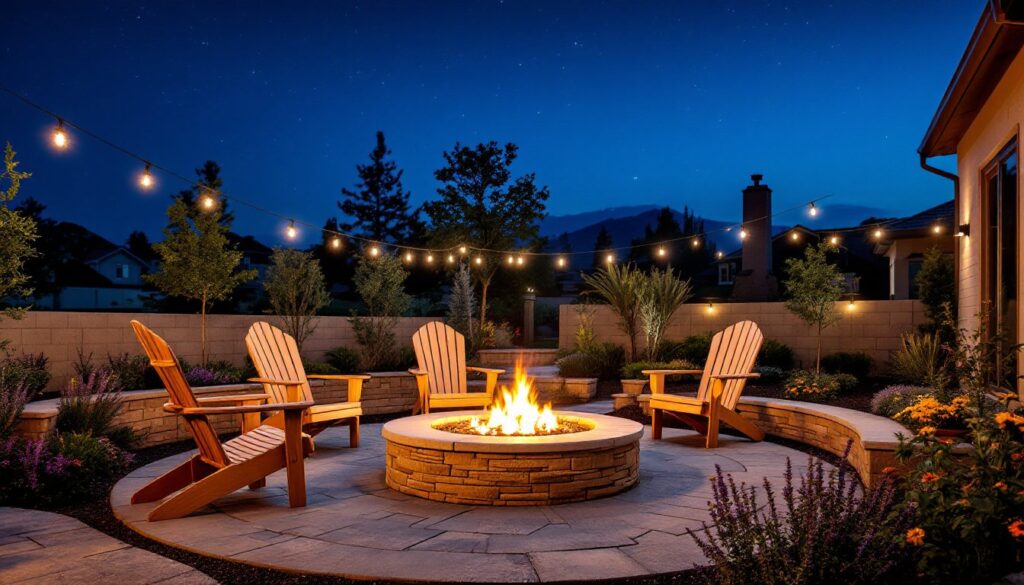
A fire pit can turn an underused corner of the yard into the most popular gathering spot on the property. But dropping a steel ring onto bare grass won’t cut it. Smart landscaping around a fire pit creates safe clearances, defines the space, and makes the area usable year-round. From choosing heat-tolerant plants to selecting hardscaping materials that won’t crack under temperature swings, the details matter. This guide walks through proven design strategies that balance function, safety, and aesthetics, so homeowners can build a fire pit zone that works as hard as it looks good.
Table of Contents
ToggleKey Takeaways
- Backyard fire pit landscaping requires strategic location planning—verify local codes requiring 10-25 feet clearance from structures and utilities before installation.
- Select heat-tolerant hardscaping materials like concrete pavers and flagstone that won’t crack under thermal stress, avoiding standard brick or limestone.
- Choose heat-resistant plants at least 10 feet from the fire pit, such as sedums, lavender, and black-eyed Susans, while avoiding flammable evergreens and ornamental grasses.
- Define the gathering zone with a 6-10 foot non-combustible buffer perimeter and plan seating for 6-8 people at 3-4 feet from a 36-44 inch diameter pit.
- Layer multiple lighting sources—path lights, uplighting, and string lights at safe distances—to extend usability into evening while maintaining safety standards.
- Match fire pit design with your home’s architecture using styles like modern minimalist, rustic farmhouse, or Mediterranean courtyard to create seamless landscape integration.
Choosing the Perfect Location for Your Fire Pit
Location determines everything from safety to usability. Start by checking local ordinances, many municipalities require fire pits to sit at least 10 to 25 feet from structures, property lines, and overhanging branches. Codes vary by jurisdiction, so verify with the local fire marshal or building department before breaking ground.
Pick a spot with natural wind protection but adequate ventilation. Low-lying areas can trap smoke, while hilltops create unpredictable drafts. A slight elevation with a natural windbreak (like a fence or hedge) on the prevailing wind side works well. Avoid placing fire pits directly under tree canopies or near structures with vinyl siding, which can warp from radiant heat.
Consider utility lines before digging. Call 811 for a free utility locate service at least two business days before excavation. Even shallow fire pit installs can damage buried gas, electric, or irrigation lines. Accessibility matters too, the site should connect naturally to the home’s main entrance or patio, with a clear path wide enough for carrying firewood and chairs.
Seating and Gathering Area Design
Plan seating based on the fire pit diameter and expected group size. A 36- to 44-inch diameter fire pit comfortably accommodates 6 to 8 people seated in a circle 3 to 4 feet from the pit edge, close enough for warmth, far enough to avoid sparks.
Built-in seating saves space and anchors the design. Retaining wall blocks (like those used for garden walls) stack into curved benches around the pit perimeter. Cap them with 2-inch-thick thermal bluestone or concrete pavers for a finished seat surface. Leave 18 to 20 inches of height for comfortable seating and 16 to 18 inches of depth. For smaller budgets, large boulders or landscape timbers (treated for ground contact) create rustic seating.
Movable seating offers flexibility. Adirondack chairs, metal bistro chairs, or weather-resistant benches let homeowners rearrange based on group size or wind direction. Whatever the choice, keep furniture at least 2 feet back from the fire pit edge, and avoid cushions or fabrics that could ignite from embers.
Define the gathering zone with a gravel or paver perimeter extending 6 to 10 feet in all directions from the pit. This creates a clear, non-combustible buffer and visually sets the space apart from surrounding lawn or garden beds.
Hardscaping Materials That Elevate Your Fire Pit Zone
The base and surround materials must handle high heat without cracking or popping. Concrete pavers, natural flagstone, or firebrick outperform standard brick or limestone, which can fracture from thermal shock.
For the fire pit base, excavate 4 to 6 inches deep and fill with compacted gravel (¾-inch crushed stone works well). This provides drainage and a stable foundation. Top with a layer of leveling sand (about 1 inch), then set pavers or flagstone. If using a steel fire ring, rest it directly on the paver surface. For DIY masonry pits, line the interior with firebrick rated for high temperatures, standard clay brick can spall and crack.
Surrounding hardscape options include:
- Flagstone patios: Irregular shapes create a natural, organic look. Joints can be filled with polymeric sand or left open for low-growing ground covers like creeping thyme.
- Paver circles: Manufactured pavers install faster and offer uniform dimensions. Choose tumbled or textured finishes for slip resistance.
- Decomposed granite (DG): A budget-friendly loose-fill option that compacts firm. Needs periodic replenishment and edging to prevent migration.
- Pea gravel: Inexpensive and easy to spread, but uncomfortable underfoot without a solid sitting area.
Edge the hardscape with steel landscape edging or cut stone borders to separate it from planting beds and prevent gravel or mulch from creeping into the fire zone.
Landscaping Plants and Greenery Around Fire Pits
Plant selection balances aesthetics with fire safety. Keep all vegetation at least 10 feet from the fire pit edge, and choose low-flammability species over resinous evergreens or ornamental grasses that ignite easily.
Heat-tolerant perennials for the mid-distance zone (6 to 10 feet out) include:
- Sedum and hens-and-chicks (succulent ground covers with low water content)
- Lavender and salvia (aromatic, drought-tolerant, and fire-resistant)
- Black-eyed Susan and coneflower (native prairie plants with thick stems)
Avoid ornamental grasses, junipers, and arborvitae near fire features, they’re high in volatile oils and dry out quickly.
For screening or backdrop, use broad-leafed deciduous shrubs like viburnum, hydrangea, or spirea planted 12 to 15 feet away. These retain moisture better than needled evergreens and don’t drop flammable debris into the fire zone.
Ground covers outside the hardscape buffer can soften edges. Creeping thyme, blue star creeper, or Irish moss tolerate light foot traffic and stay low enough not to encroach. Mulch planting beds with hardwood mulch or stone chips, never use shredded cedar or pine bark near fire pits, as they’re more combustible.
If the fire pit sits in an arid climate, consider xeriscaping the surrounding area with gravel, native succulents, and stone accents to minimize irrigation and fire risk.
Lighting and Ambiance Enhancements
Proper lighting extends usability into evening hours and improves safety. Layer several light sources rather than relying on one bright flood.
Path lighting guides guests from the house to the fire pit. Use low-voltage LED path lights spaced 8 to 10 feet apart along walkways. Solar-powered stake lights work for occasional use but offer less consistent brightness.
Uplighting highlights surrounding trees or architectural features without glare. Position 3- to 5-watt LED spotlights at the base of specimen trees or large shrubs, angling them upward. Warm white (2700K to 3000K) temperatures mimic firelight better than cool white.
String lights create a casual, festive atmosphere. Run outdoor-rated Edison bulb strings or cafe lights between posts or overhead structures, keeping them at least 8 feet above the fire pit to avoid heat damage. Use weatherproof sockets and plug into a GFCI-protected outlet.
Accent lighting within hardscape adds subtle definition. Install recessed LED step lights into retaining walls or paver borders. These should be rated for wet locations (IP65 or higher) and installed per manufacturer specs to prevent moisture intrusion.
Avoid placing any lighting fixtures within 3 feet of the fire pit itself, heat and soot will degrade plastics and electrical components over time. All outdoor lighting should comply with local electrical codes: if running new circuits, a licensed electrician should handle the rough-in and hookup.
Fire Pit Style Ideas to Match Your Landscape
Fire pit design should harmonize with the home’s architecture and existing landscape.
Modern minimalist: Square or rectangular steel fire pits with clean lines, surrounded by large-format concrete pavers (24×24 inches). Pair with linear plantings of ornamental grasses (planted at safe distances) or clipped boxwood hedges.
Rustic farmhouse: Round stacked stone fire pit using natural fieldstone or manufactured stone veneer. Surround with flagstone patio and weathered Adirondack chairs. Edge with split-rail fencing and native wildflowers.
Mediterranean courtyard: Terra cotta or stucco-finish fire bowl on a paver patio with warm earth tones. Incorporate drought-tolerant herbs (rosemary, thyme, oregano) in terra cotta pots, and use crushed limestone as ground cover.
Contemporary industrial: Cor-Ten steel fire pit (which develops a protective rust patina) on a bed of dark river rock. Surround with polished concrete pavers and architectural plantings like agave or yucca (at appropriate distances).
Natural woodland: Sunken fire pit with stacked stone walls that blend into surrounding landscape. Use decomposed granite or pine needle paths and leave existing trees and understory plants in place (maintaining safe clearances).
Match materials across the landscape for cohesion, if the house has brick siding, incorporate brick accents into the fire pit surround. If the patio uses bluestone, repeat that material in the fire pit cap or seating.
Conclusion
A well-designed fire pit landscape balances safety, durability, and style. By choosing the right location, selecting heat-resistant materials, and layering practical lighting with thoughtful plantings, homeowners create an outdoor gathering space that works through all seasons. The best fire pit zones feel intentional, not like an afterthought, and integrate seamlessly with the rest of the yard.