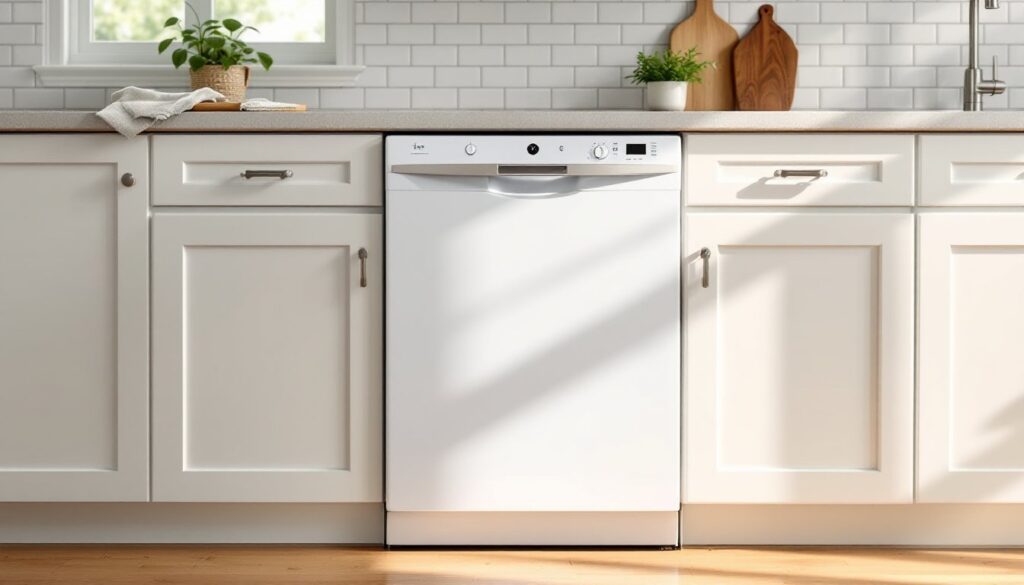
White appliances are making a comeback, not as a retro statement, but because they work. A white Whirlpool dishwasher delivers durability, classic styling, and the kind of straightforward performance that makes kitchen cleanup predictable instead of frustrating. Whether refreshing a rental, matching existing appliances, or simply preferring a clean, neutral look, homeowners find white dishwashers fit more kitchens than trendy finishes that age out in five years. Whirlpool’s track record for serviceability and parts availability adds to the appeal, especially for DIYers willing to swap a pump or door latch down the road instead of junking the whole unit.
Table of Contents
ToggleKey Takeaways
- White Whirlpool dishwashers blend seamlessly with most kitchen styles while avoiding fingerprints and water spots that plague stainless steel and black finishes.
- Modular construction and widely available replacement parts make white Whirlpool dishwashers more serviceable and longer-lasting than competitors with integrated components.
- Sensor cycles and hard food disposers on Whirlpool white dishwashers reduce pre-rinsing labor and adjust wash times automatically based on soil load.
- Choose a white Whirlpool dishwasher based on actual household needs—capacity, noise level, and cycle features—rather than unnecessary upgrades that add $200–$300 to the price.
- Monthly filter cleaning, annual seal inspection, and proper loading technique ensure a white Whirlpool dishwasher operates reliably for 10+ years.
- ENERGY STAR-certified Whirlpool models use ≤3.5 gallons per cycle, saving $25–$40 annually on water and sewer bills compared to older units.
Why White Whirlpool Dishwashers Remain a Kitchen Staple
White finishes blend with laminate, butcher block, tile, and painted cabinetry without clashing. Unlike stainless steel, they don’t show fingerprints or require constant polishing. Unlike black appliances, they don’t highlight dust or water spots.
From a resale perspective, white appliances appeal to a broader buyer pool. Landlords favor them because replacement parts are stocked widely and used units turn up affordable. Contractors installing spec homes default to white because it reads neutral on listing photos.
Whirlpool’s white dishwashers also hold up under UV exposure better than some plastics and coatings that yellow over time. The company uses a baked enamel finish on door exteriors that resists chipping and wear, particularly around handles and control panels where repeated contact occurs.
Serviceability matters. Whirlpool designs allow access to pumps, heating elements, and door seals without removing the entire unit from the cabinet. Repair techs stock Whirlpool parts: online suppliers carry them: and many components interchange across model years, keeping older units running longer than proprietary designs.
Top White Whirlpool Dishwasher Models to Consider
Whirlpool WDF520PADW (24-inch built-in, ~$450–$550): This model covers the essentials, five wash cycles, a soil sensor, and a heated dry option. The third rack handles utensils and small tools, freeing up lower rack space for larger items. It runs at 55 dBA, which is quieter than older models but not silent. The control panel sits on the front, making cycle selection straightforward. Expect roughly 12 place settings capacity.
Whirlpool WDT750SAKW (24-inch built-in, ~$800–$950): This mid-tier unit includes a stainless steel tub (the WDF series uses plastic), improving drying performance and longevity. The TotalCoverage spray arm uses 60% more jets than baseline models, reaching corners and tall items more effectively. It operates at 47 dBA, quiet enough for open-plan kitchens. The Sensor Cycle adjusts wash time and water temperature based on soil load, a practical feature for mixed loads.
Whirlpool WDTA50SAKW (24-inch built-in, ~$650–$750): A middle-ground option with a Sani Rinse cycle that hits 155°F to meet NSF/ANSI Standard 184 for sanitization. Useful for cutting boards, baby bottles, and pet dishes. The adjustable upper rack accommodates oversized platters or stemware depending on load requirements. Runs at 51 dBA.
All three models require a 120V, 15A dedicated circuit per NEC standards and a 3/8-inch water supply line. Drain connections accept standard 7/8-inch corrugated hose or a 5/8-inch adapter for hard-piped installs.
Key Features That Set Whirlpool White Dishwashers Apart
Whirlpool prioritizes modular construction, pumps, motors, and control boards mount separately, so a single failure doesn’t condemn the appliance. Many competitors integrate components, raising repair costs and parts scarcity.
Soil sensors (standard on most Whirlpool models since 2020) measure water turbidity and adjust cycle length. This prevents over-washing lightly soiled loads and under-washing baked-on messes, saving water and energy without requiring user input.
Heated dry systems use a heating element at the tub bottom. Some newer models (WDT series and up) add a fan-assisted dry cycle, reducing moisture on plastics that air-dry poorly. For users in humid climates, this feature cuts down on rewashing dried-on water spots.
Hard food disposers grind particles instead of relying solely on a filter screen. Whirlpool’s blade-style disposers handle seeds, rice, and small vegetable scraps, reducing pre-rinse labor. Filters still need monthly cleaning, but clogs occur less frequently than filter-only systems.
Capacity and Configuration Options
Third racks on models like the WDF520PADW add 30% more loading area for flatware, spatulas, and small bowls. This keeps utensils from nesting in the silverware basket, improving wash coverage. The trade-off: slightly reduced headroom in the upper rack, which can limit tall mug or tumbler placement.
Adjustable tines and racks allow customization per load. Lower rack tines fold flat for sheet pans or mixing bowls: upper racks raise or lower on rails (usually two height positions) to fit wine glasses or tall pots below. Some models include a removable silverware basket that can be split or relocated to open up corner space for bulky items.
Whirlpool’s 14-place-setting models (standard on WDT series) meet the needs of a four-person household running the dishwasher once daily. Smaller units (12 place settings) work for couples or supplemental installs in wet bars or basement kitchens.
How to Choose the Right White Whirlpool Dishwasher for Your Home
Start with cabinet opening dimensions. Standard built-in dishwashers measure 24 inches wide × 24 inches deep × 34 inches tall (adjustable legs allow ±1 inch height variance). Confirm the rough opening before ordering, older homes sometimes have non-standard spacing or uneven floors requiring shims or filler strips.
Check decibel ratings if the kitchen opens to living areas. Models below 50 dBA won’t interrupt conversation: those above 55 dBA become noticeable during light cycles. Sound insulation varies: stainless tubs dampen noise better than plastic.
Evaluate cycle selection based on actual use. A household that runs mixed loads (pots, plastics, glassware) benefits from sensor cycles and sanitize options. A household washing mostly dinner plates and utensils can manage with a basic five-cycle model and save $200–$300.
Consider energy and water use. ENERGY STAR-certified models use ≤3.5 gallons per cycle and ≤270 kWh/year. Older or budget models may use 6 gallons per cycle, adding roughly $25–$40 annually to water and sewer bills in typical municipalities.
Control placement matters for households with young children. Top-mounted controls (hidden when door closes) prevent mid-cycle button presses: front-mounted controls offer easier access but require a control lock feature to avoid interruptions.
Verify warranty coverage. Whirlpool typically offers a one-year full parts and labor warranty plus a two-to-five-year limited warranty on the tub and door liner. Extended warranties through retailers may cover service calls but often exclude wear items like racks, seals, and spray arms.
Installation and Maintenance Tips for Longevity
Installation requires a dedicated 120V circuit, a hot water supply line (minimum 120°F at the dishwasher inlet for effective cleaning), and a drain connection to the sink tailpipe or garbage disposal. Most codes require a high loop or air gap to prevent backflow. Use a torque screwdriver to secure mounting brackets to countertop underside, 15–20 inch-pounds prevents cracking laminate or solid surface materials.
Run the hot water tap at the sink until it reaches full temperature before starting a cycle. This ensures the first fill draws hot water instead of cold water sitting in the line, improving detergent activation and soil removal on short cycles.
Clean the filter assembly monthly. Remove the lower rack, twist out the cylindrical filter, and rinse under running water. Accumulated food particles reduce spray pressure and leave residue on dishes. For hard water areas, run a dishwasher cleaner (citric acid-based) quarterly to dissolve mineral scale on the heating element and spray arms.
Inspect door seals annually. Cracks or compression set (permanent flattening) allow leaks. Replacement gaskets cost $15–$30 and press into the channel without adhesive on most Whirlpool models, no need to remove the door from hinges.
Check spray arm rotation by spinning them manually. If resistance occurs, remove the arms (usually a quarter-turn lock or snap clip) and clear holes with a toothpick or wire. Blockages reduce coverage and leave sections of the load unwashed.
Use rinse aid even if detergent includes it. The rinse aid dispenser releases product during the final rinse, reducing surface tension so water sheets off dishes instead of beading. This cuts drying time and prevents spots, especially on glassware.
Don’t overload. Nesting dishes block spray coverage: crowding prevents water from reaching soil. If re-washing items becomes routine, the dishwasher isn’t the problem, loading technique is.
Conclusion
A white Whirlpool dishwasher offers dependable performance, serviceable design, and a finish that fits more kitchens than niche trends. Choosing the right model comes down to matching capacity, features, and noise level to actual household needs, not aspirational ones. Proper installation and basic monthly maintenance keep these units running through a decade or more of daily cycles, making them a practical investment for homeowners who value function over flash.