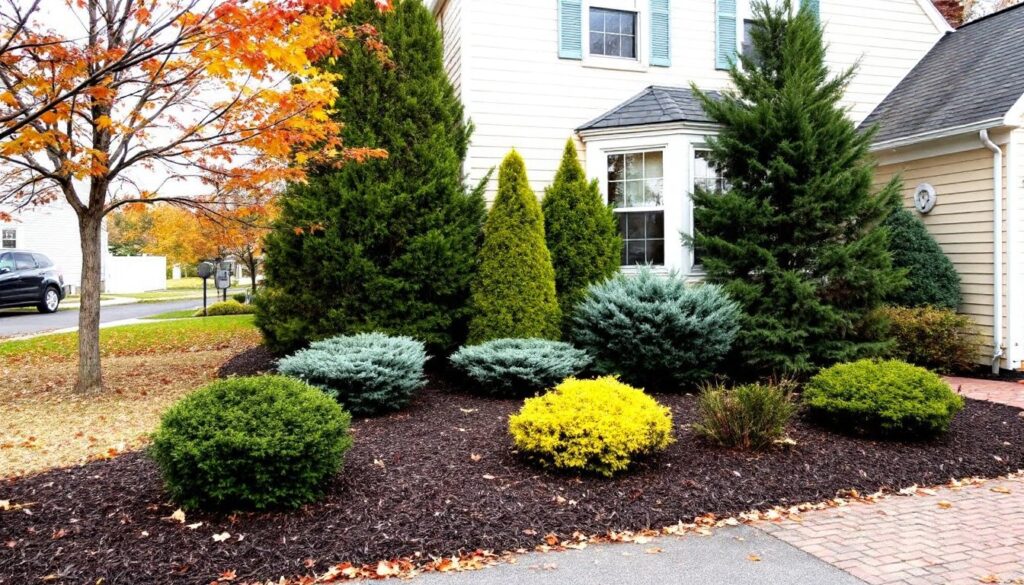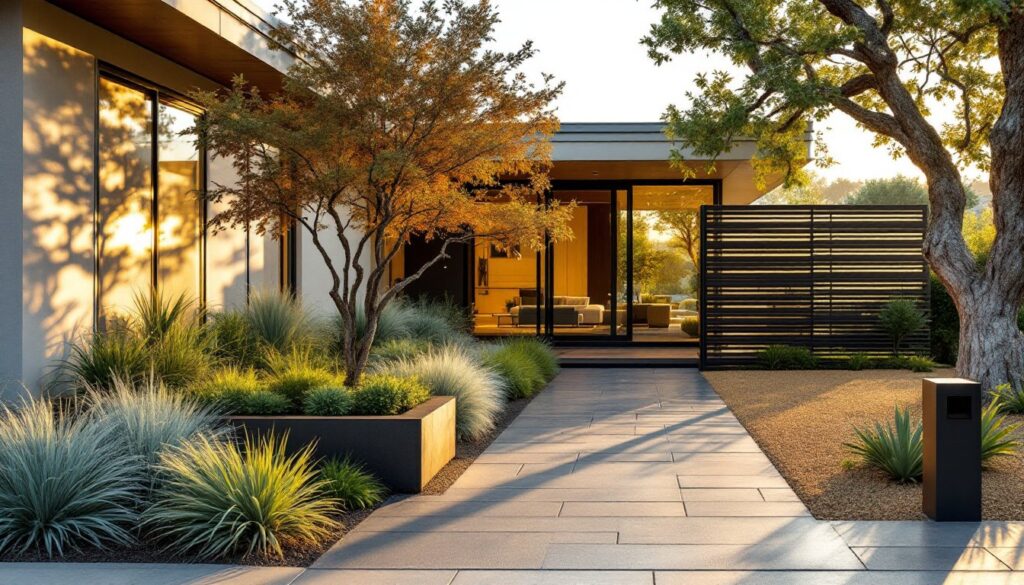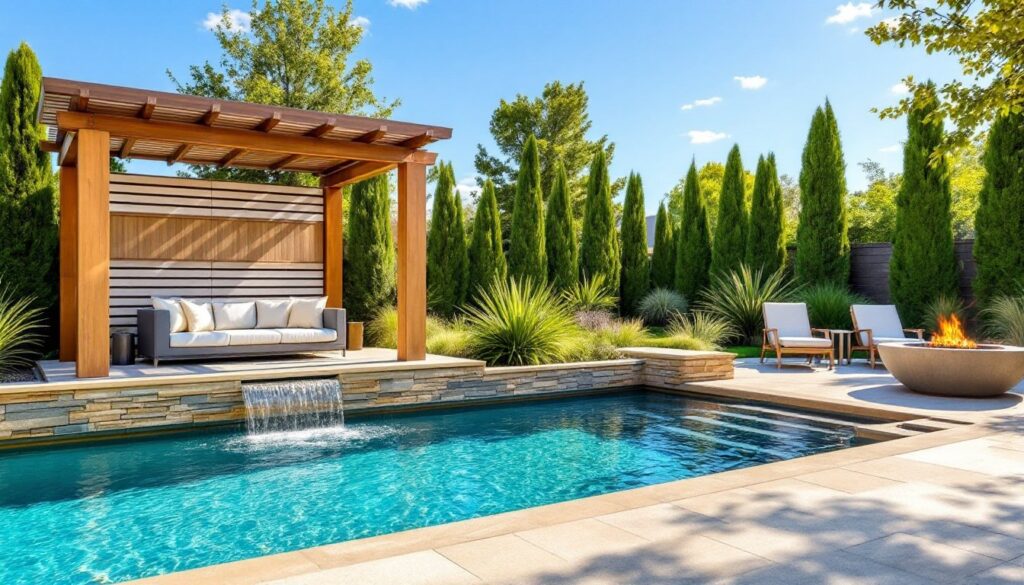
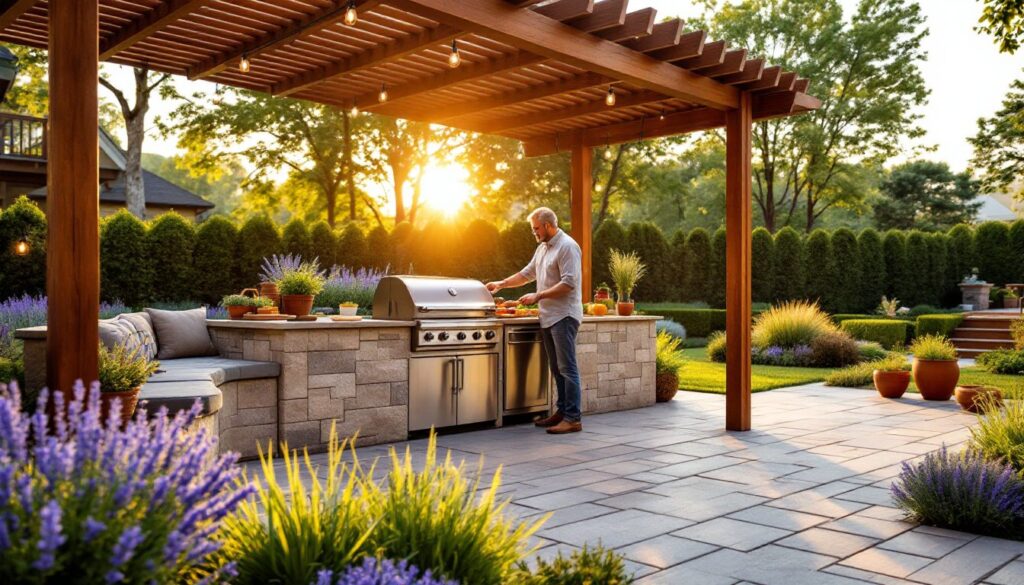
An outdoor kitchen stops being just a grill and countertop when the landscaping works with it, not against it. The right plants, hardscaping, and layout turn a cooking zone into a full outdoor living space, one that handles heat, grease, foot traffic, and weather without falling apart by July. In 2026, homeowners are moving past the standalone island approach and designing landscapes that integrate cooking, dining, and entertaining into a cohesive backyard ecosystem. This means understanding microclimates around grills, choosing materials that don’t crack or stain, and planting species that thrive near open flame and heavy use. The goal isn’t just curb appeal, it’s durability and function.
Table of Contents
ToggleKey Takeaways
- Outdoor kitchen landscaping requires integrating cooking, dining, and entertaining zones into a cohesive backyard ecosystem that handles heat, grease, and foot traffic.
- Position your outdoor kitchen 10 to 15 feet from the house and account for prevailing wind direction to keep smoke away from seating areas and neighbors.
- Choose heat-tolerant, low-maintenance plants like agave, lavender, ornamental grasses, and boxwood—avoid messy varieties like bamboo and dormant grasses that pose fire hazards.
- Select durable hardscaping materials such as porcelain or concrete pavers, sealed natural stone, and avoid smooth concrete near grills, which becomes slippery and stains easily.
- Create privacy and ambiance through strategic hedges, fencing, pergolas with climbing plants, and outdoor curtains to transform your outdoor kitchen into an inviting, intimate space.
- Maintain your outdoor kitchen landscape year-round with seasonal tasks like paver inspection, deep watering, grill cleaning, and winterization to ensure lasting durability and enjoyment.
Planning Your Outdoor Kitchen Landscape Layout
Start by mapping the kitchen’s footprint and its relationship to the house, property lines, and existing utilities. Gas lines, water supply, and electrical conduit all dictate placement, running a new gas line 40 feet across a yard is costly and may require trenching that disrupts established landscaping. Most layouts work best 10 to 15 feet from the house, close enough for convenience but far enough to keep smoke and heat away from siding and windows.
Consider the work triangle principle: grill, prep area, and sink should form an efficient zone, typically within a 4- to 9-foot radius. Around this core, landscape zones extend outward, dining areas, buffer plantings, pathways, and visual anchors like arbors or pergolas. Sketch these zones on graph paper or use a landscape design app: it’s easier to move a tree on paper than in the ground.
Account for prevailing wind direction. Grilling in a steady crosswind sends smoke into seating areas or neighbor’s yards. Positioning the kitchen so smoke drifts toward open lawn or away from gathering spots improves usability. Likewise, afternoon sun can make a west-facing kitchen unbearable in summer. A pergola, shade sail, or strategically placed tree provides relief without requiring a full roof structure.
Check local zoning and setback requirements. Many jurisdictions regulate outdoor cooking appliances, especially those with permanent gas connections or structures over a certain square footage. A permit may be required for hardscaping, grading changes, or electrical work. Call the local building department before breaking ground.
Choosing the Right Plants for Your Outdoor Kitchen
Plants near an outdoor kitchen face unique challenges: radiant heat from grills, occasional grease splatter, foot traffic, and often, reflected heat from paving. Avoid delicate ornamentals or anything that drops excessive leaves, fruit, or sap onto cooking surfaces. Instead, prioritize tough, evergreen, or semi-evergreen species that hold up through the season.
Container gardens work well on kitchen perimeters. Large planters with herbs, rosemary, thyme, oregano, sage, put fresh ingredients within arm’s reach and handle heat better than in-ground beds. Use containers at least 14 to 18 inches in diameter to prevent roots from drying out quickly. Terracotta breathes but dries fast: glazed ceramic or resin planters retain moisture longer.
For in-ground plantings, establish a buffer zone of at least 3 feet between the grill and any shrubs or groundcovers. This reduces fire risk and keeps foliage out of the cook’s way. Low-maintenance groundcovers like creeping thyme or sedum work well in areas with light foot traffic, releasing pleasant scents when brushed.
Heat-Tolerant and Low-Maintenance Varieties
Several plant species excel in the microclimate around outdoor kitchens. Agave and yucca tolerate intense sun and heat, require minimal water, and provide strong architectural form, ideal for modern or desert-inspired designs. Lavender handles heat and drought, attracts pollinators, and its fragrance offsets cooking odors. Plant it along pathways or in raised beds where airflow is good: poor drainage kills lavender faster than heat.
Ornamental grasses like blue fescue, fountain grass, or muhly grass add movement and texture without heavy maintenance. They tolerate heat, need little supplemental water once established, and don’t mind reflected heat from pavers. Space them 18 to 24 inches apart to allow air circulation and prevent fungal issues.
Boxwood and inkberry holly offer evergreen structure for framing or low hedges. Both tolerate partial shade and heat, though boxwood prefers consistent moisture. Avoid planting these directly adjacent to grills, 6 feet minimum distance is safer.
Skip anything messy or flammable. Bamboo spreads aggressively and drops leaves constantly. Ornamental grasses that go dormant and brown (like maiden grass) become fire hazards if left untrimmed near open flames. Fruit trees sound appealing but attract wasps and drop sticky fruit onto counters and pavers.
Hardscaping Elements That Complement Outdoor Kitchens
Hardscaping defines the outdoor kitchen’s footprint and ties it into the broader landscape. The right materials handle heat, spills, and weather while minimizing maintenance.
Pavers are the most common choice. Concrete pavers offer a wide range of colors and textures at a moderate price, typically $3 to $6 per square foot for materials, more for installation. They handle freeze-thaw cycles well if properly installed over a compacted gravel base (4 to 6 inches) and sand leveling layer. Porcelain pavers resist stains better than concrete and don’t absorb grease, but cost more, $8 to $15 per square foot. Natural stone like bluestone or flagstone provides a high-end look but may stain without sealing. Seal stone annually with a penetrating sealer rated for food-prep areas.
Avoid smooth concrete near grills: grease makes it slippery and stains are nearly impossible to remove. If pouring a slab, specify a broom finish for traction and consider integral color or a stain to mask inevitable discoloration.
Retaining walls and seat walls serve double duty, structural and functional. A seat wall 16 to 18 inches tall and capped with smooth stone creates extra seating without chairs. Build with concrete block, natural stone, or brick. If the kitchen sits on a slope, a retaining wall may be necessary to level the cooking area: anything over 4 feet tall typically requires engineering and a permit.
Outdoor countertops need materials that resist heat, stains, and UV. Granite and concrete are durable: tile works if joints are sealed and cleaned regularly. Avoid laminate, it delaminates in weather. Butcher block looks warm but requires constant sealing and isn’t practical in rain-exposed areas.
Pathways connecting the kitchen to the house, dining areas, and yard should be at least 3 feet wide, enough for two people to pass or someone carrying a platter. Use the same paver or stone as the kitchen pad to create visual continuity.
Creating Privacy and Ambiance With Strategic Landscaping
An outdoor kitchen becomes far more inviting when it feels like a room, not a stage. Strategic plantings, screens, and structures create enclosure without claustrophobia.
Hedges are the most permanent privacy solution. Fast-growing options like Leyland cypress or arborvitae reach 10 to 15 feet in a few years but need regular trimming and irrigation. For a more relaxed hedge, viburnum or privet grow moderately fast, tolerate pruning, and some varieties offer seasonal flowers or berries. Plant hedges 3 to 4 feet apart for a solid screen within three to five years.
Fencing provides instant privacy. Horizontal slat fences have a modern look: vertical board-on-board is traditional and blocks sightlines completely. Cedar and redwood resist rot naturally but cost more: pressure-treated pine is economical but benefits from staining. A 6-foot fence is standard, but check local height restrictions, some areas cap residential fences at 6 feet, others allow 8 feet with a permit.
Pergolas and arbors define space overhead and support climbing plants. A pergola over the kitchen provides partial shade and a framework for string lights or outdoor curtains. Grow wisteria, climbing roses, or grapevines on pergola beams, but keep vines trimmed back from grill areas, dead leaves and stems are flammable. Pressure-treated lumber or cedar works for DIY builds: powder-coated aluminum pergolas cost more but never need painting.
Outdoor curtains made from solution-dyed acrylic fabric (like Sunbrella) resist fading and mildew. Hang them on stainless steel or powder-coated rods attached to pergola beams or posts. They provide flexible privacy and can be drawn back when not needed.
Lighting and Water Features for Your Outdoor Kitchen Space
Proper lighting extends usability into evening hours and improves safety. A layered approach works best: task lighting over prep and cooking zones, ambient lighting for dining and gathering areas, and accent lighting to highlight plantings or architectural features.
Install LED under-cabinet lights beneath upper shelves or inside overhead structures. LEDs run cool, last years, and draw minimal power. For cooking surfaces, aim for 50 to 75 foot-candles of light, enough to see clearly without glare. Dimmable fixtures let users adjust for cooking versus entertaining.
Path lights along walkways prevent trips and falls. Solar path lights work for ambient marking, but low-voltage (12V) LED fixtures provide brighter, more reliable light. Run low-voltage wire underground in conduit: it’s a DIY-friendly project that doesn’t require an electrician in most jurisdictions, though a licensed electrician should handle any 120V connections.
String lights add instant ambiance. Commercial-grade Edison bulb strands hold up better than residential versions. Hang them overhead on a pergola, between posts, or along fence lines. Use outdoor-rated extension cords and GFCI-protected outlets.
Water features introduce sound that masks street noise and creates a resort-like feel. A small fountain or bubbling urn near the kitchen adds movement without overwhelming conversation. Recirculating pumps are energy-efficient: ensure the feature has a GFCI-protected outlet and can be drained for winter in cold climates. Avoid large ponds near cooking areas, they attract mosquitoes and require constant cleaning if not properly filtered.
Maintaining Your Outdoor Kitchen Landscape Year-Round
An outdoor kitchen landscape isn’t install-and-forget. Regular upkeep keeps plants healthy, hardscaping intact, and the space usable season after season.
Spring: Inspect pavers for settling or shifting: reset any that have moved and top-dress joints with polymeric sand to prevent weeds. Prune dead wood from shrubs and trees, and apply a fresh layer of mulch (2 to 3 inches) around plantings, keep mulch 3 inches away from plant stems to prevent rot. Flush irrigation lines and check for leaks. Fertilize perennials and container herbs with a balanced slow-release fertilizer.
Summer: Water deeply but infrequently, most plantings need 1 inch per week, including rainfall. Container plants may need daily watering in peak heat. Deadhead flowers on lavender and perennials to encourage reblooming. Clean grill grates and surrounding surfaces monthly to prevent grease buildup that stains pavers. Trim fast-growing hedges mid-summer to maintain shape.
Fall: Cut back perennials after the first frost. Drain and winterize water features in cold climates. Clean gutters on pergolas or overhead structures. Seal stone countertops and pavers if needed. Disconnect and store hoses: blow out irrigation lines in freeze-prone areas.
Winter: Cover or store furniture and grill components per manufacturer instructions. In regions with freeze-thaw cycles, check pavers and walls for heaving or cracks. Avoid using salt-based ice melt near plantings, it damages roots and soil structure. Use sand or calcium chloride instead.
A well-planned outdoor kitchen landscape integrates cooking, dining, and outdoor living into a cohesive, durable space. With the right layout, plant selection, hardscaping, and maintenance routine, the investment pays off in years of reliable use and genuine enjoyment, not just another Pinterest board that looked better in the screenshot.