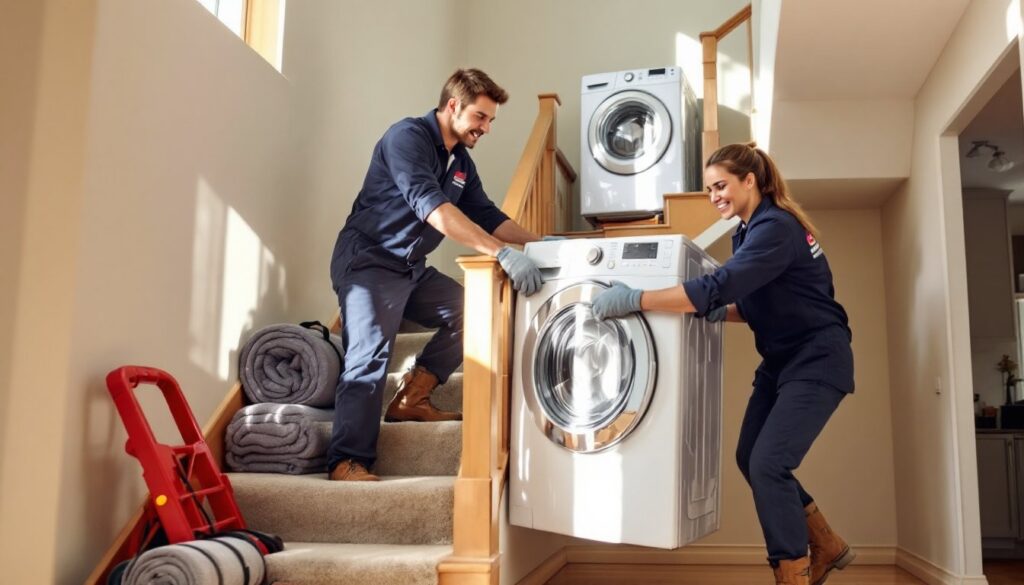
Moving a washer and dryer isn’t like hauling a couch or a dresser. These appliances are heavy, awkward to grip, and packed with sensitive components that can fail if jostled the wrong way. A standard top-load washer weighs between 150 and 200 pounds, while front-loaders and stackable units can push 250 pounds or more. Add a dryer at 120 to 180 pounds, and you’re looking at a half-ton of iron, drum assemblies, and plumbing connections that need to make it down a flight of stairs without damaging your floors, walls, or back. Professional washer and dryer movers handle this work daily, and they bring the equipment, experience, and insurance that most DIYers don’t have on hand.
Table of Contents
ToggleKey Takeaways
- Washer and dryer movers are specialists equipped with the tools, training, and insurance needed to safely transport heavy appliances that weigh between 270 and 430 pounds combined.
- Professional appliance moving services include disconnection, reconnection, protective materials, specialized equipment, and leveling—protecting you from costly damage and liability if something goes wrong.
- Proper preparation 24–48 hours before the move is critical: disconnect water and power, install drum shipping bolts on front-loaders, and measure doorways to avoid expensive moving delays.
- Local moves typically cost $100–$250, while long-distance and multi-story moves range from $200–$500 plus surcharges for stairs, disconnection, or gas line work.
- DIY moves make sense only for single-story relocations with wide doorways and lightweight units, but professional movers are essential for front-load washers, stackable dryers, multi-story buildings, or warranty-protected appliances.
Why You Need Professional Washer and Dryer Movers
Appliance moving is a specialty skill that goes beyond general furniture relocation. Washers and dryers have unbalanced weight distribution, most of the mass sits in the drum and motor assembly, which makes them prone to tipping during transport. A professional appliance mover knows how to secure the drum (especially critical for front-loaders with suspension systems), disconnect water supply lines and drain hoses without flooding your laundry room, and navigate tight doorways or staircases using appliance dollies with ratchet straps.
Insurance and liability matter more than most homeowners realize. If a DIY move results in a cracked drum, damaged door seal, or a washer that goes through the floor, the repair or replacement cost falls entirely on the homeowner. Licensed movers carry general liability and cargo insurance, covering both property damage and appliance failure during transit.
Time and physical risk also factor in. Moving a stacked washer-dryer combo down a narrow apartment stairwell can take an untrained pair several hours and often results in strained backs, pinched fingers, or scraped walls. Professional washer dryer movers complete the same job in under an hour with the right tools and technique, minimizing downtime and injury risk.
How to Prepare Your Washer and Dryer for Moving
Preparation determines whether the move goes smoothly or ends in a service call. Start 24 to 48 hours before the move to allow time for draining and drying.
For washers:
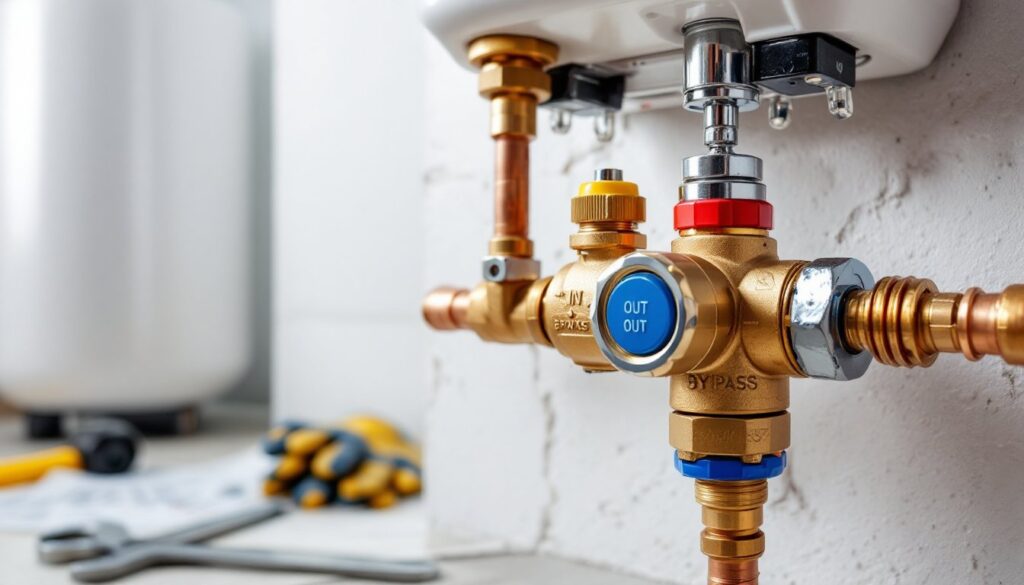
- Turn off the water supply valves (usually located behind the unit) and disconnect inlet hoses. Expect residual water to drain, keep a bucket and towels handy.
- Run a short spin cycle with no load to drain the tub, then unplug the machine.
- For front-load washers, install drum shipping bolts if available. These bolts lock the suspension system in place during transport. Most manufacturers include them with new units: check the owner’s manual or order replacements online. Skipping this step can destroy the suspension springs.
- Tape the washer door shut with painter’s tape or a bungee cord to prevent it from swinging open.
For dryers:
- Disconnect the power cord (electric) or gas line (gas dryers require a licensed technician to disconnect and reconnect).
- Detach the exhaust vent duct from the back panel. Clean lint from the duct and dryer vent while you’re at it, this reduces fire risk at the new location.
- Secure the drum and door the same way as the washer.
General prep:
- Clean both units inside and out to prevent mold or odors during storage or transit.
- Remove and pack any detachable parts: hoses, lint traps, drain pans, pedestals.
- Measure doorways, hallways, and staircases at your current and new locations. Standard washers are 27 inches wide, but pedestals, door handles, and hoses can add several inches.
What to Expect from Professional Appliance Moving Services
Reputable washer and dryer movers near me offer more than muscle and a truck. A full-service move typically includes:
- Pre-move assessment: The crew inspects the appliances, access points, and destination to identify potential obstacles (narrow turns, low ceilings, gravel driveways).
- Disconnection and reconnection: Most services include unhooking water, power, and vent lines at the old location and reinstalling them at the new one. Gas dryer reconnection may require a separate licensed plumber or HVAC tech.
- Protective materials: Movers use appliance blankets, corner guards, and stretch wrap to prevent cosmetic damage. Floor protection (Masonite panels or carpet film) guards hardwood and tile from dolly marks.
- Specialized equipment: Appliance dollies, stair-climbing dollies, and lifting straps distribute weight and reduce the risk of drops. Some crews use powered stair climbers for multi-story moves.
- Leveling and testing: After installation, professionals level the washer with adjustable feet (critical for spin cycle performance) and may run a test cycle to confirm proper operation.
Most movers provide a basic service warranty covering damage caused during the move itself. Read the terms carefully, cosmetic scratches, pre-existing issues, and improper installation at the destination may not be covered.
Cost Factors for Washer and Dryer Moving Services
Pricing for appliance moving services varies by region, distance, and complexity. As of 2026, expect these ranges:
- Local move (same building or within 20 miles): $100 to $250 for both units.
- Long-distance move (over 50 miles): $200 to $500, often bundled with household goods moving.
- Stair or elevator surcharges: $50 to $100 per flight of stairs or per floor if elevator access isn’t available.
- Disconnection and reconnection: $50 to $150 per appliance if not included in the base rate.
- Gas line work: $75 to $200 for disconnection and reconnection by a licensed tech.
Factors that increase cost:
- Stackable or oversized units: Commercial-grade or extra-capacity machines require more labor and equipment.
- Difficult access: Tight corners, outdoor stairs, or gravel paths add time and risk.
- Same-day or rush service: Expect a 20% to 50% premium for expedited scheduling.
- Insurance and liability coverage: Full-value protection costs more than basic carrier liability.
Get at least three written estimates and confirm what’s included. Some companies advertise low base rates but tack on fees for disconnection, materials, or mileage.
DIY vs. Hiring Professional Movers: Making the Right Choice
A DIY move makes sense if the appliances are staying on the same floor, doorways are wide, and you have at least one strong helper plus the right equipment. Rent an appliance dolly ($15 to $25/day from most home centers) and pick up ratchet straps and moving blankets. Budget half a day for disconnection, moving, and reconnection.
When DIY works:
- Single-story move with no stairs.
- Wide doorways (32 inches or more clearance).
- You have prior experience moving heavy appliances.
- Both units are top-loaders or standard-depth models under 200 pounds each.
When to hire pros:
- Multi-story buildings, especially without elevator access.
- Front-load or stackable units with delicate suspension systems.
- Long-distance moves where appliances share a truck with other household goods.
- You lack the physical ability, tools, or time to do it safely.
- The appliances are under warranty that requires professional installation or moving.
Safety warning: Improper lifting technique causes thousands of back injuries annually. If you attempt a DIY move, lift with your legs, not your back, and never pivot while holding a heavy load. Wear steel-toe boots and work gloves to protect against pinch points and dropped corners.
How to Choose the Best Washer and Dryer Moving Company
Not all movers handle appliances with the same care or expertise. Use these criteria to vet candidates:
Licensing and insurance: Verify the company holds a valid moving license (check your state’s Department of Transportation or Public Utilities Commission database) and carries both general liability and workers’ compensation insurance. Ask for proof, don’t take their word for it.
Experience with appliances: General furniture movers may lack the tools or knowledge to handle drum bolts, gas lines, or leveling. Ask how many appliance-only moves they complete monthly and whether they offer reconnection services.
Customer reviews and references: Check Google, Yelp, and the Better Business Bureau for patterns. One bad review isn’t a deal-breaker, but repeated complaints about damaged appliances, hidden fees, or no-shows are red flags.
Written estimates: A legitimate company provides a detailed quote listing all charges, labor, mileage, materials, surcharges. Avoid movers who only offer phone estimates or refuse to put terms in writing.
Equipment and crew size: Confirm they’ll bring an appliance dolly, straps, and blankets. A two-person crew is standard: single-person moves are risky and take longer.
Ask key questions:
- Do you install drum shipping bolts for front-loaders?
- Is reconnection included, or is it an add-on?
- What’s your policy if the appliance is damaged during the move?
- Do you offer same-day or next-day service?
Book at least one to two weeks in advance during peak moving season (May through September). Last-minute availability often signals a less-established or less-reliable operation.
Conclusion
Washer and dryer movers bring the tools, training, and insurance that turn a risky DIY project into a smooth, predictable process. Whether it’s a local move across town or a long-haul relocation, professional appliance movers minimize the risk of injury, property damage, and costly repairs. Prepare the units properly, vet your moving company carefully, and budget for the service that matches your situation, it’s a small investment compared to replacing a $1,200 washer because the drum cracked on the stairs.