
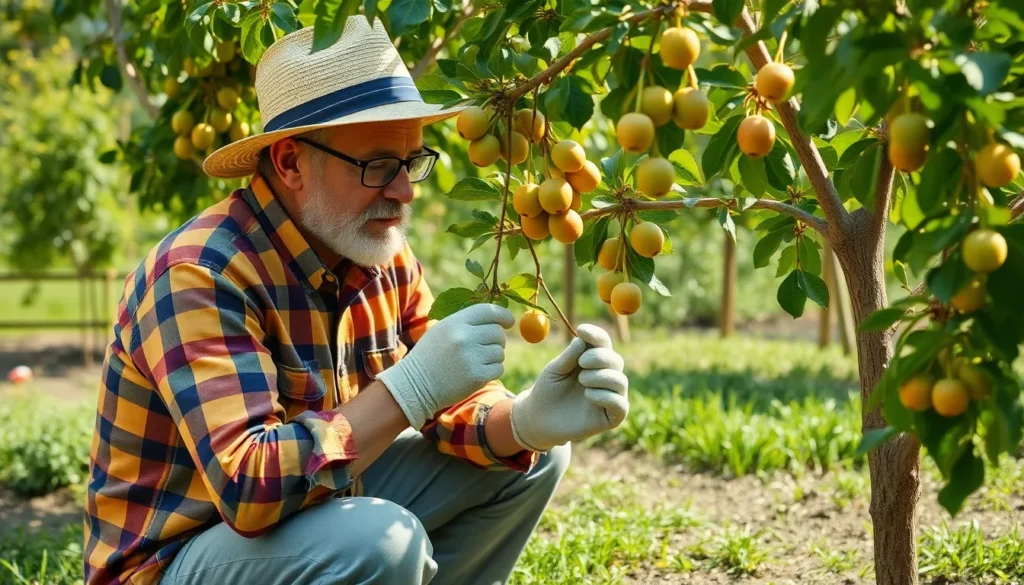
Growing fruit trees can feel like a magical journey, where the promise of juicy apples, sweet peaches, or zesty lemons awaits. But before you can indulge in nature’s candy, you need to roll up your sleeves and give those trees some TLC. Think of it as a relationship—nurturing, pruning, and occasionally talking to them (they love that).
Whether you’re a seasoned gardener or just starting out, understanding the ins and outs of fruit tree care is crucial. It’s not just about planting a tree and hoping for the best; it’s about creating a flourishing ecosystem right in your backyard. With a little knowledge and humor, you can transform your garden into a fruitful paradise that’ll have your neighbors green with envy—and maybe even a little jealous of your tree-whispering skills.
Importance Of Fruit Tree Care
Proper fruit tree care plays a critical role in the overall health and productivity of the trees. Healthy trees produce abundant, high-quality fruit, which directly impacts personal harvest satisfaction. Consistent watering ensures that trees maintain adequate moisture levels, especially during dry spells. Regular pruning helps shape the tree, enhances airflow, and allows sunlight to penetrate the canopy.
Integrated pest management keeps fruit trees free from harmful insects and diseases. Monitoring for signs of infestations allows for timely intervention, preventing major damage. Soil health significantly influences fruit tree growth; thus, enriching it with organic matter or compost promotes robust root systems.
Fertilization provides essential nutrients, such as nitrogen, phosphorus, and potassium, which are vital for fruit development. Timing fertilizer applications appropriately maximizes its effectiveness, supporting vigorous growth. Training young trees encourages proper structure, which supports fruit-bearing branches as the tree matures.
Seasonal care, including mulching, protects roots and conserves moisture. Weather fluctuations can stress trees, making protection crucial in extreme conditions. Understanding the specific needs of each fruit tree variety leads to tailored care routines that maximize productivity.
Creating a healthy ecosystem in the garden enhances not only fruit trees but also the surrounding biodiversity. Beneficial insects can thrive alongside fruit trees, contributing to natural pest control. Educating oneself about cultivars and local growing conditions equips gardeners to make informed decisions, fostering greater success in fruit production.
Essential Practices For Fruit Tree Care
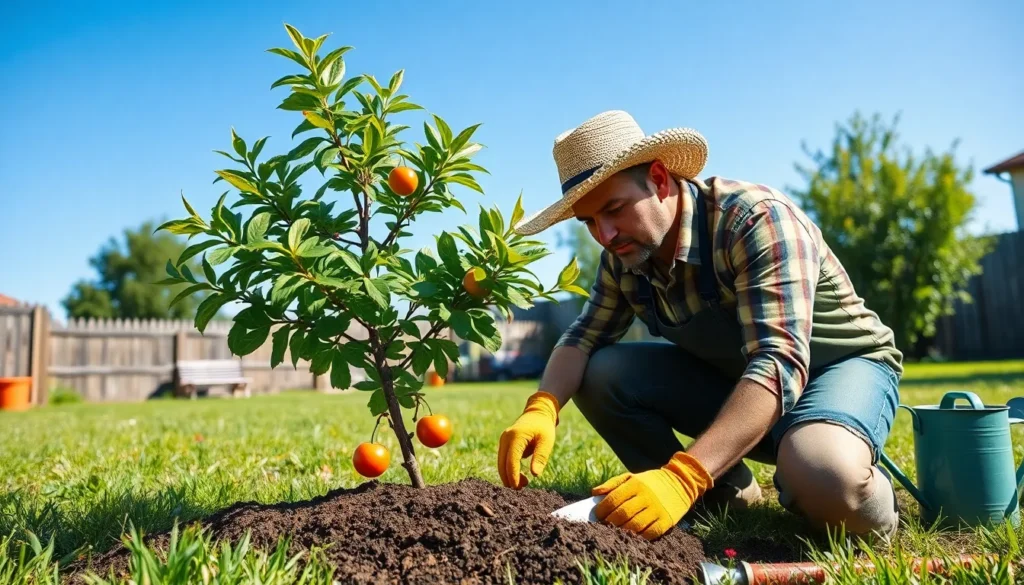
Proper care of fruit trees includes several essential practices. These practices ensure trees remain healthy and productive throughout their lifespan.
Soil Preparation
Creating optimal soil conditions promotes healthy root development in fruit trees. Testing soil pH prior to planting helps determine nutrient levels. Amending soil with organic matter enhances fertility and drainage. Adding compost or well-rotted manure improves soil structure and supports microbial activity. Trees benefit from a soil depth of at least 24 inches, allowing roots to expand. Repeating soil tests throughout the year aids in maintaining the right balance of nutrients.
Watering Techniques
Effective watering promotes robust growth in fruit trees. Young trees require regular, deep watering, especially during dry spells. Watering at the root zone minimizes evaporation, delivering moisture directly to the roots. Employing a drip irrigation system can ensure precise water delivery without waste. During fruit development, maintaining consistent moisture is crucial for fruit size and quality. Observing signs of stress, like wilted leaves, indicates the need for immediate attention.
Fertilization
Proper fertilization boosts fruit tree health and yields. Testing soil for nutrient deficiencies informs the choice of fertilizer. Organic fertilizers, like bone meal or fish emulsion, provide essential nutrients without harmful chemicals. Applying fertilizers in early spring encourages growth as trees awaken from dormancy. Following manufacturer guidelines for application rates ensures trees receive adequate nutrition. Monitoring growth and fruit set helps adjust future fertilization practices.
Pruning And Maintenance
Pruning and maintenance play vital roles in the health of fruit trees. Regular attention ensures trees stay productive and vibrant.
Timing And Techniques
Pruning occurs during late winter or early spring, prior to new growth. This timing encourages healthy development and minimizes stress. Techniques include thinning, which removes excess branches to improve airflow, and heading, which reduces branch length to encourage bushier growth. Targeting dead or diseased branches promotes tree longevity and productivity. Pruners should make sharp, angled cuts to prevent damaging the tree and encourage quick healing. Keeping a consistent schedule for pruning supports ongoing tree health.
Tools For Pruning
Essential tools for pruning include hand pruners, loppers, and saws. Hand pruners tackle small branches up to half an inch thick, making them versatile. Loppers provide leverage for cutting branches up to two inches thick, ideal for larger trees. Saws efficiently manage thicker limbs, ensuring precise cuts. It’s important to sanitize tools before and after use to prevent disease transmission. Maintaining sharp blades minimizes damage to branches and improves cut quality. Using the right tool for each task enhances overall pruning success.
Pest And Disease Management
Managing pests and diseases is crucial for maintaining healthy fruit trees. Effective strategies must focus on prevention and early detection to protect tree health and fruit quality.
Common Pests
Aphids often cluster on tender new growth, weakening trees and promoting sooty mold. Spider mites create fine webs and thrive during dry conditions, causing leaf discoloration. Coddling moths damage fruits by laying eggs, leading to wormy produce. Thrips puncture plant tissues, affecting fruit aesthetics and quality. Regular monitoring for these common pests helps catch infestations early.
Preventative Measures
Integrated pest management proves effective in preventing infestations. This approach involves encouraging beneficial insects such as ladybugs and lacewings that naturally control pest populations. Planting companion plants can also deter pests. Maintaining tree health through proper watering and fertilization strengthens trees against pests and disease. Regular pruning improves airflow and reduces humidity, creating less inviting conditions for pests.
Harvesting And Post-Harvest Care
Harvesting fruit at the right time ensures maximum flavor and quality. Recognizing when fruit is ripe plays a vital role in this process.
Signs Of Ripeness
Look for specific indicators when assessing fruit ripeness. Color often signals readiness; for instance, strawberries turn bright red while apples display vibrant hues. Texture matters as well; ripe peaches yield slightly to pressure. Aroma also provides clues; fruits like melons emit a sweet fragrance when ripe. Additionally, seed color can indicate maturity; brown seeds in a cantaloupe suggest it’s ready to be picked. Monitoring these signs consistently helps guarantee optimal harvest time.
Storage Tips
Proper storage extends the freshness of harvested fruit. Keep fruits cool; refrigeration works best for tender varieties like berries and grapes. Store apples in a separate compartment to prevent ethylene gas from affecting other produce. Utilize breathable containers; baskets or perforated plastic bags allow air circulation, preventing mold. For longer preservation, consider freezing fruits; wash and cut them into appropriate sizes before placing them in airtight containers. Regularly inspect stored fruit for spoilage and promptly remove any affected items to maintain quality in the remaining harvest.
Fruit tree care is an enriching endeavor that rewards patience and dedication. By implementing proper techniques for watering, pruning, and pest management, gardeners can nurture healthy trees that yield delicious fruits.
Attention to soil health and seasonal practices further enhances the vitality of the trees, creating a thriving ecosystem. Harvesting at the right time and storing fruit properly ensures that the fruits of labor remain fresh and flavorful.
With a little effort and knowledge, anyone can cultivate a fruitful paradise right in their backyard, enjoying the sweet rewards of their labor for years to come.