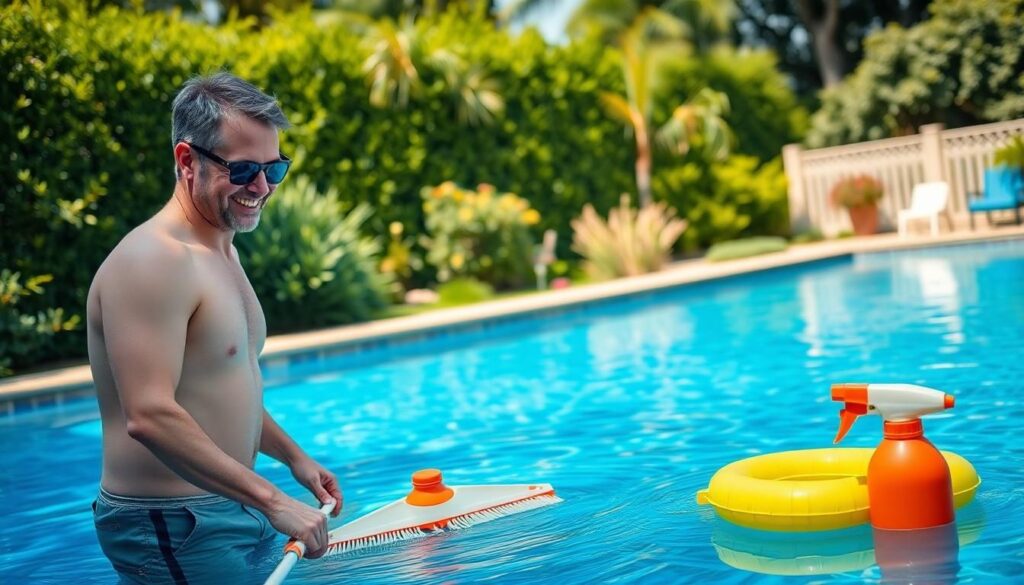
Owning a swimming pool is like having a personal oasis right in your backyard. But before diving into the refreshing waters, it’s essential to consider the not-so-glamorous side of pool ownership: maintenance costs. Just like that sneaky chlorine smell that lingers after a swim, these expenses can catch you off guard if you’re not prepared.
Overview Of Swimming Pool Maintenance Cost
Understanding swimming pool maintenance costs is essential for pool owners. Monthly expenses typically range from $100 to $500 depending on pool size and features. Regular upkeep tasks include cleaning, chemical balancing, and equipment repairs.
Maintenance supplies alone can cost between $30 and $100 each month. Chemicals like chlorine, bromine, and algaecides require regular purchases to maintain water quality. Seasonal tasks also affect the budget, with winterizing costs potentially reaching $300 or more.
Labor costs can vary widely. Hiring a professional service averages $75 to $150 per visit, contributing significantly to overall expenses. Many pool owners choose to maintain their pools, which can save money but requires time and effort.
Inspection and repairs may incur additional costs, especially if equipment malfunctions. Replacing a pool pump averages around $300 to $800, while other repairs like heaters or filters can add to the total. Budgeting for unexpected repairs is prudent.
Additionally, insurance costs may rise with pool ownership. Homeowners should clarify if their insurance covers liability and damages associated with the pool.
Maintaining a swimming pool involves regular costs for supplies, labor, repairs, and potentially increased insurance premiums. Knowing these expenses helps owners manage budgets effectively and ensures optimal enjoyment of their personal oasis.
Factors Influencing Maintenance Cost
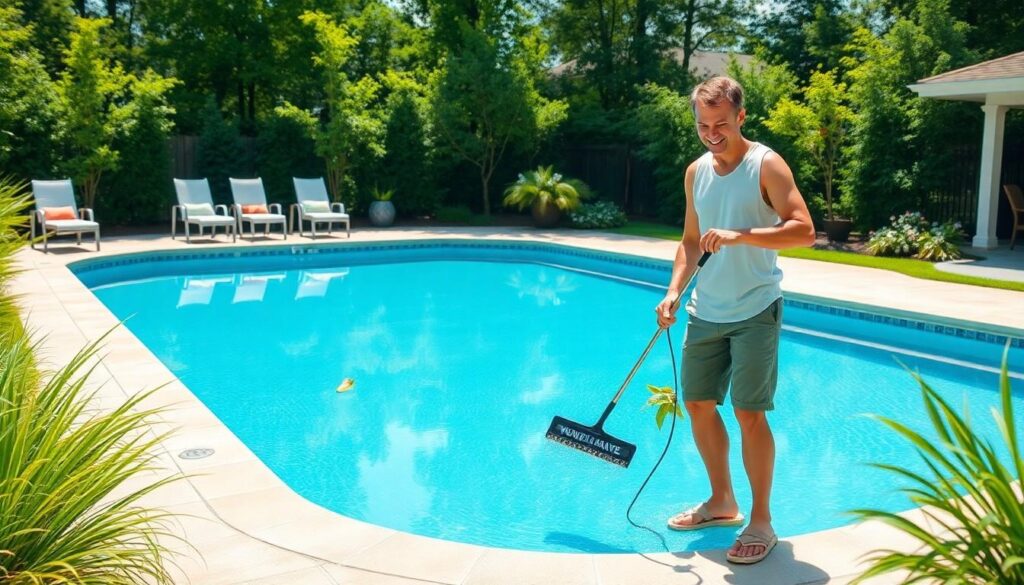
Several factors significantly affect swimming pool maintenance costs. Understanding these influences helps owners anticipate and manage their expenses effectively.
Type of Pool
In-ground pools generally incur higher costs compared to above-ground pools. Owners must account for complexities like installation, equipment, and repairs. Concrete and fiberglass pools often require more specialized care, while vinyl pools benefit from simpler maintenance. Each pool type has distinct advantages and needs, contributing to varying costs throughout ownership.
Size of Pool
Pool size directly impacts maintenance expenses. Larger pools demand more chemicals and cleaning supplies, escalating monthly costs. Maintenance for a small pool averages around $100, while larger pools can reach $500 monthly. Additionally, labor costs for larger pools increase, with longer cleaning sessions and more extensive repairs needed, further elevating the total investment.
Location
Location plays a key role in swimming pool maintenance costs. Pools in warmer climates need year-round upkeep, resulting in higher annual expenses. Areas with foliage may require frequent cleaning due to debris, adding to maintenance costs. Regions with harsh weather might necessitate more extensive winterization, increasing costs significantly during seasonal changes.
Pool Materials
The choice of pool materials influences ongoing maintenance demands. Concrete pools require regular resurfacing and prompt attention to cracks, while vinyl pools are less demanding. Fiberglass pools typically need less chemical adjustment and cleaning time. Each material type comes with its own unique set of maintenance requirements that directly contribute to overall costs.
Regular Maintenance Expenses
Regular maintenance expenses directly impact swimming pool costs. Key areas include cleaning supplies, chemical balancing, and equipment maintenance.
Cleaning Supplies
Cleaning supplies account for $30 to $100 each month. These essential items include pool skimmers, brushes, and vacuum heads. Costs can vary depending on the pool’s size and frequency of use. Owners typically purchase chlorine tablets, filters, and algaecides for ongoing upkeep. Investing in quality supplies ensures effective cleaning and longer equipment life. Effectiveness in maintenance translates to a clearer, inviting pool.
Chemical Balancing
Chemical balancing costs range from $20 to $100 monthly. Owners monitor pH levels, chlorine, and alkalinity to maintain water safety. Regular testing kits and properly adjusted chemicals prevent algae growth and health hazards. Balancing chemistry promotes swimmer comfort and safety. Maintaining correct levels reduces long-term repair costs associated with imbalanced water.
Equipment Maintenance
Equipment maintenance expenses average $75 to $150 per visit when hiring professionals. Replacement parts such as pumps, heaters, and filters often drive these costs. Regular inspections can help catch issues early, preventing larger repairs later. Scheduled maintenance keeps pumps and heaters running efficiently. These proactive measures not only ensure a functional pool but also extend the lifespan of equipment.
Additional Costs
Swimming pool ownership comes with various additional costs beyond regular maintenance. Understanding these expenses can help owners prepare for unexpected financial demands.
Repairs
Repair costs can arise unexpectedly, especially due to equipment malfunctions. Replacing a pool pump typically averages between $300 and $800. Other common repairs may involve issues with filters, heaters, or liners, which can add further expenses. It’s beneficial for owners to set aside funds for potential repairs, as dealing with problems promptly helps avoid larger issues later on. Professional inspection services may also range from $75 to $150 per visit, allowing for early detection and resolution of any underlying problems.
Seasonal Preparation
Seasonal preparation carries its own costs, especially in regions with extreme weather changes. Winterizing a pool may require spending about $300 or more, as this process involves covering the pool and implementing protective measures. Conversely, opening the pool in spring or summer incurs similar costs, with chemical balancing and cleaning required to ensure water quality. These seasonal expenses can significantly impact the overall budget for maintaining a swimming pool, warranting careful planning to accommodate them throughout the year.
Tips To Reduce Maintenance Costs
Selecting energy-efficient equipment significantly lowers utility bills. Owners can consider variable-speed pumps that operate at different speeds, reducing energy consumption by about 30 to 50 percent compared to traditional models. Regularly cleaning filters helps maintain the pump’s efficiency, increasing its lifespan and reducing replacement costs.
Controlling debris can minimize cleaning expenses. Using a pool cover keeps leaves and dirt out, reducing the need for frequent cleaning and chemical balancing. Automatic cleaners also save time and effort, ensuring consistent maintenance with minimal manual labor.
Choosing the right chemicals plays a vital role in cost management. Testing water regularly to maintain optimal pH levels can prevent chemical imbalances that require expensive corrective measures. Purchasing chemicals in bulk reduces costs over time, compared to buying smaller quantities.
Scheduling seasonal maintenance can prevent costly repairs. Inspecting equipment and addressing wear and tear during off-peak seasons helps avoid severe malfunctions later on. Labor costs for professional services can be lower during these periods when pool demand decreases.
Implementing DIY tasks can reduce labor expenses. Cleaning the pool regularly, performing small repairs, or winterizing the pool oneself can save money. Owners should familiarize themselves with basic maintenance tasks to avoid the high costs associated with professional services.
Establishing a maintenance budget ensures proactive cost management. Setting aside a specific amount monthly for both routine maintenance and unexpected repairs allows pool owners to stay ahead of expenses. Keeping a detailed expense log helps identify cost patterns, enabling better financial planning over time.
Owning a swimming pool offers countless joys but comes with a range of maintenance costs that can catch owners off guard. By understanding the various factors influencing these expenses, such as pool type, size, and location, owners can better anticipate their budgets. Regular maintenance tasks and potential unexpected repairs require careful financial planning.
Implementing cost-saving strategies like energy-efficient equipment and DIY maintenance can help manage these expenses effectively. With proactive budgeting and a clear understanding of ongoing costs, pool owners can enjoy their personal oasis while ensuring it remains a source of relaxation and fun for years to come.